-
All Products
Open Toggle
- Power Tools
- Air Compressors
- Air Tools & Accessories
- Bicycle, Tools & Accessories
- Cast Iron & Steel Stoves & Accessories
- Cleaning
- Clothing
- Construction
- Drill & Screwdriver Bits
- Electrical & Electronic
- Engines, Electric Motors
- Fans, Air Conditioners & Ventilation
- Garage Equipment
- Gardening & Outdoor
- Generators
- Hand Tools
- Health & Safety
- Heaters - Electric, Gas, Diesel
-
Air Tools &
Compressors Open ToggleDIY & Semi Pro Air Compressors
Electric Professional / Industrial Air Compressors
Petrol & Diesel Driven Professional / Industrial Air Compressors
Screw Compressors
Ultra Quiet Air Compressors
Compressed Air Dryers
Compressed Air Receivers
Air Compressor Pumps - Replacements
Air Compressor Filters
Accessories & Consumables
Air Tools and Accessories
Oils & Lubricants
Low Noise Compressors
-
Garage
Equipment Open ToggleWorkshop Cranes & Engine Stands
Vehicle Battery Chargers
Engine Starters/Chargers
Jump Starts
Inspection Lamps
Motorcycle Lifts, Stands & Dollys
Air Compressors
Grease Guns, Cartridges & Dispensers
Trolley Jacks & Car Jacks
Automotive Heating & Cooling System Tools
Garages & Sheds
Motorcycle Mechanics Tools
Vehicle Movement Dollys & Trolleys
Automotive Hand Tools
All Tool Chests & Cabinets
Impact Wrenches
Hydraulic & Arbor Presses
Battery Testers
Farm Jacks
Transmission Jacks & Stands
Axle Stands
Body Repair Tools, Kits & Equipment
Automotive Consumables & Accessories
See more...
-
Garden &
Outdoor Open TogglePowered Lawnmowers
Garages
Chainsaws
Chainsaw Accessories
Log Splitters
Log Saws
Fruit Presses
Cutting and Pruning
Digging Tools
Garden Hoses & Hose Accessories
Outdoor Accessories
Wheelbarrows
Garden Trolleys, Trailers & Carts
Garden Sprayers - Handheld, Backpack, Wheeled
Oils and Lubricants
Axes, Mauls & Billhooks
-
Generators &
Power Packs Open Toggle -
Hand
Tools Open ToggleTool Kit Sets
Allen, Hex, Torx and Star Key Sets
Chisels & Punches
Files
Hammers
Soft Faced Hammers & Mallets
Knives & Multi Tools
Bolsters & Cold Chisels
Nail Pullers, Pry & Crow Bars
Pliers
Locking Pliers & C Clamps
Plier Sets
Snips and Cutters
Circlip Pliers and Sets
Water Pump Pliers
Wire Strippers
Screwdrivers - Sets
Hacksaws
Staplers, Staple & Nail Guns
Podger Spanners
Tap & Die Sets
Tape Measures
Whetstones & Sharpening Tools
See more...
-
Heaters &
Radiators Open Toggle -
Power
Tools Open ToggleCordless Drills & Drill/Drivers
Impact Wrenches
Mains Power Drills (Non SDS)
Mains Powered SDS, SDS+ and SDS MAX Drills
Demolition Hammers & Breakers
Drill Stands & Accessories
Oscillating Multi Tools
Multi Tool Blades & Accessories
Hand Held Circular Saws
Circular Saw Blades
Cut Off Saws
Reciprocating Saws
Jigsaws
Routers & Laminate Trimmers
Router Jigs & Templates
Router Bit Sets
Saw Guides and Rails
Mini Rotary Tools & Engravers
Rotary Tool and Engraver Accessories
Nail Guns and Staple Guns and Accessories
Biscuit & Dowel Jointers
Heat Guns
Table Saws
See more...
-
Pressure
Washers Open Toggle -
Stoves &
Accessories Open Toggle -
Tool
Storage Open ToggleShelving and Racking
All Tool Chests and Cabinets
Modular Workshop Systems
Clarke Mechanics' Tool Chest Range
Clarke Professional Tool Chests
Clarke Premium Tool Chests
Clarke Heavy Duty Tool Chests
Clarke Heavy Duty+ Tool Chests
Clarke Blue Industrial Heavy Duty+ Tool Chests
Clarke Black/Gold Heavy Duty+ Tool Chests
Clarke Contractor Heavy Duty+ Tool Chests
Tool Boxes
Tool Bags
Workbenches & Accessories
Cupboards & Cabinets
Site and Van Safes/Storage
-
Water
Pumps Open ToggleSubmersible Pumps - Non Solid Handling
Submersible Pumps - Solids Handling
Submersible Pumps - Sewage Cutter
Surface Pumps - Engine Driven
Surface Pumps - Industrial Electrical Centrifugal
Swimming Pool Pumps
Booster Pumps
Miscellaneous and Transfer Pumps
Pump Controllers & Switches
Hose
Hose Clips
Couplers, Valves & Filters
-
Welders &
Accessories Open ToggleMIG Welders
Arc/TIG Welders
Arc Welders
Plasma Cutters
MIG/TIG/MMA(Arc) Welders
Spot Welders
Petrol Driven Welders
Welding Headshields & Goggles
Welding PPE
MIG/TIG Welding Gas
MIG/TIG Welding Regulators, Gauges & Hoses
Welding Tips, Shrouds Swan Necks & Liners
Welding Accessories
Blowtorches, Cartridges and Accessories
MIG & TIG Torch Assemblies and Hoses
Welding Electrodes & Rods
-
About
Us

Power Tools



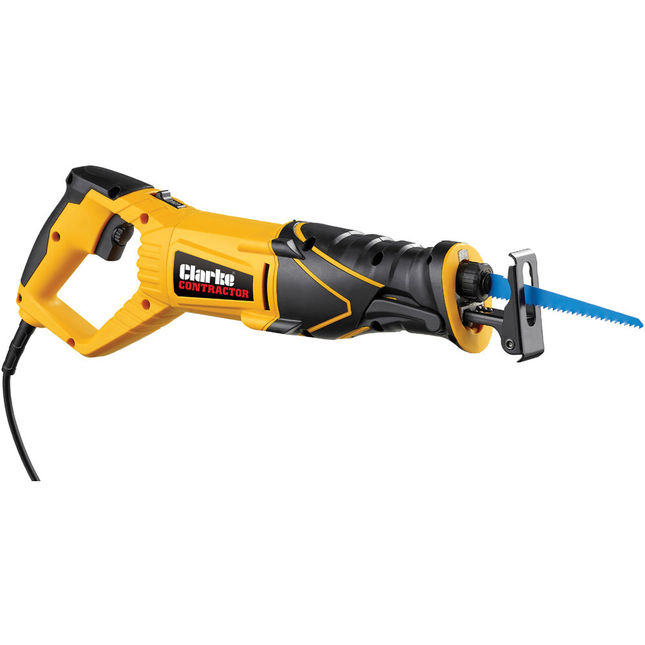
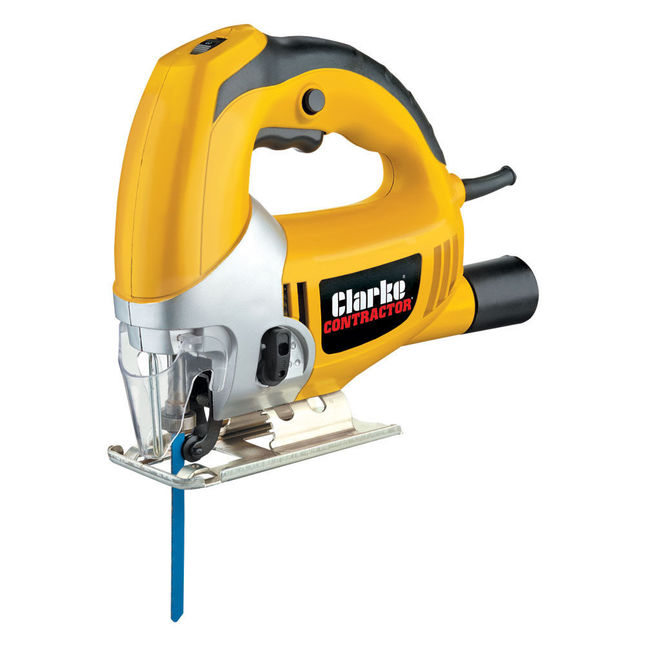
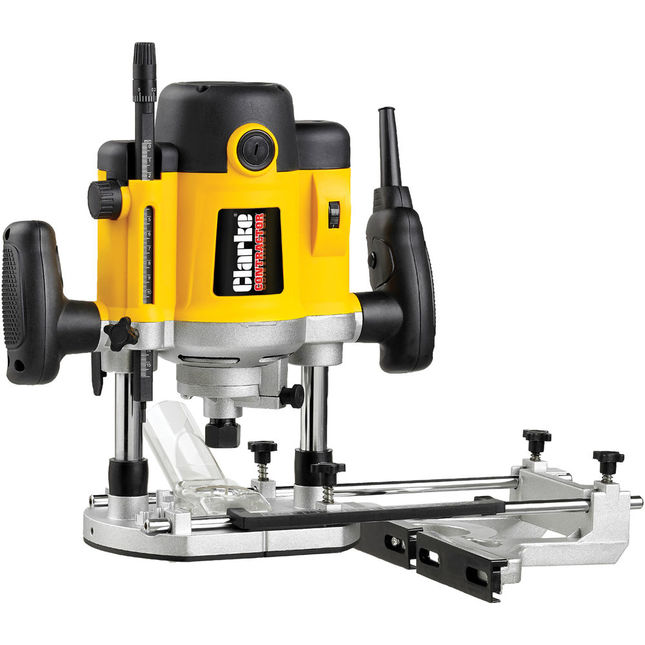
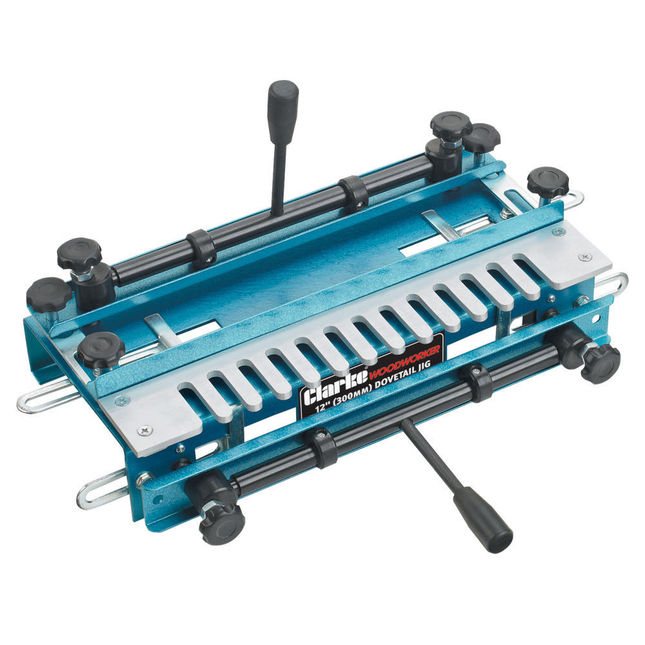




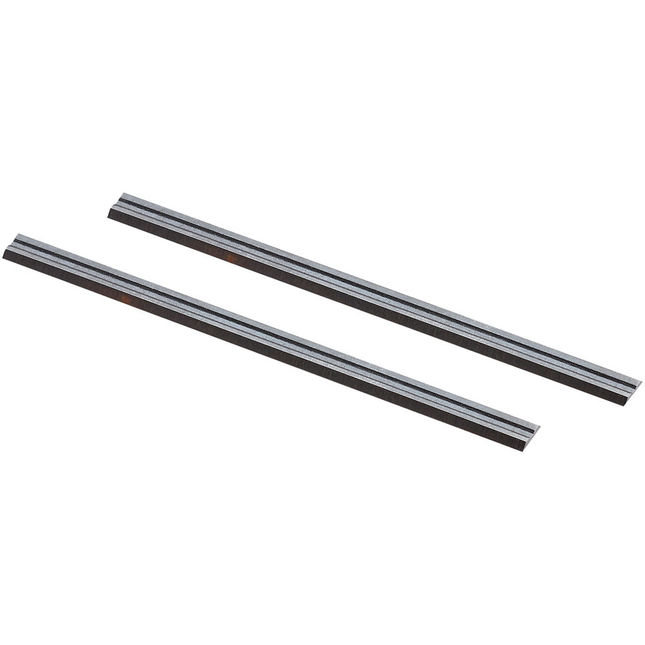
Power Tools for DIY, Workshop, Construction and Trade Use
Clarke offers a comprehensive range of power tools for construction, automotive repair, woodworking, metalworking, property maintenance, decorating and demanding DIY projects.
Choose from cordless drills, impact wrenches, mains drills, SDS rotary hammers, demolition breakers, circular saws, reciprocating saws, jigsaws, routers, angle grinders, sanders, polishers, tile cutters, nail guns, heat guns and larger workshop machines.
The range also includes drill stands, saw guides, router tables, blades, discs, sanding products, cutting accessories and other consumables required to keep equipment working effectively.
Choosing the Right Power Tool
The most suitable power tool depends on the material, task, required finish, working environment and frequency of use.
Cordless tools provide freedom of movement and are useful where access to mains power is limited. Mains-powered tools can provide consistent operation for longer workshop and site tasks, while bench-mounted machines offer improved support and repeatability for regular cutting, shaping and finishing work.
Before selecting a tool, consider its power, speed range, capacity, accessory fitting, weight, duty requirements and whether dust extraction or additional safety equipment will be needed.
Professional users should also check the supply voltage, transport requirements and whether the machine is suitable for the expected level of regular use.
Cordless Power Tools
Cordless tools use rechargeable batteries to provide portable operation without a trailing mains cable.
They are particularly useful for assembly, automotive work, maintenance, construction and jobs carried out away from a fixed power supply.
Battery voltage, capacity, motor design and the demands of the application all affect performance and runtime.
Before choosing a cordless tool, check whether the battery and charger are included and whether the battery platform is shared with other compatible tools.
Battery Voltage, Capacity and Motor Type
Battery voltage indicates the operating voltage of the cordless system, while battery capacity is normally expressed in ampere-hours.
A battery with a greater ampere-hour rating can generally provide longer runtime under comparable conditions, although actual working time depends on the tool, material and load.
Higher voltage does not automatically make one tool more suitable than another. Motor efficiency, gearing, torque, speed and accessory choice are also important.
Traditional brushed motors use carbon brushes, while brushless motors use electronic control. Brushless technology can provide efficient power delivery, reduced internal wear and compact tool designs.
Cordless Drills and Drill Drivers
Cordless drills and drill drivers are versatile tools for drilling holes and driving screws in timber, metal, plastics and other compatible materials.
Most models provide variable speed, forward and reverse operation and an adjustable clutch for controlling screw-driving torque.
Some drills also include a hammer setting for light drilling into suitable masonry.
When choosing a cordless drill, consider chuck capacity, maximum torque, speed ranges, battery capacity and the stated drilling capacity in each material.
Lower mechanical speeds generally provide greater torque for screw driving and larger drill bits, while higher speeds suit smaller bits and faster drilling.
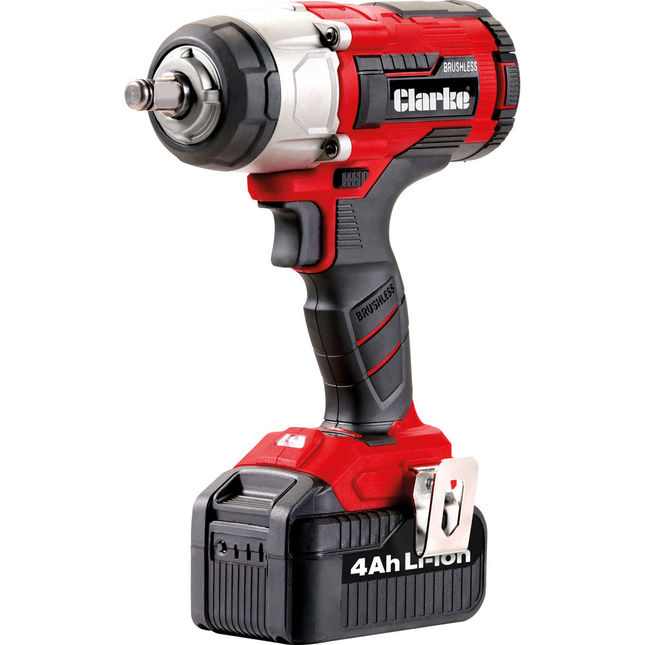
Impact Wrenches
Impact wrenches provide high rotational force through a repeated impact mechanism.
They are commonly used for vehicle wheel fasteners, mechanical repairs, construction fixings and other applications involving nuts and bolts.
When comparing impact wrenches, consider the drive size, fastening torque, nut-busting torque, speed settings and the size and condition of the fasteners being worked.
Always use impact-rated sockets. Standard chrome sockets are not designed for repeated impact forces and may crack or fracture.
An impact wrench can speed up removal and initial installation, but final tightening should be completed with a correctly set torque wrench where a specified torque is required.
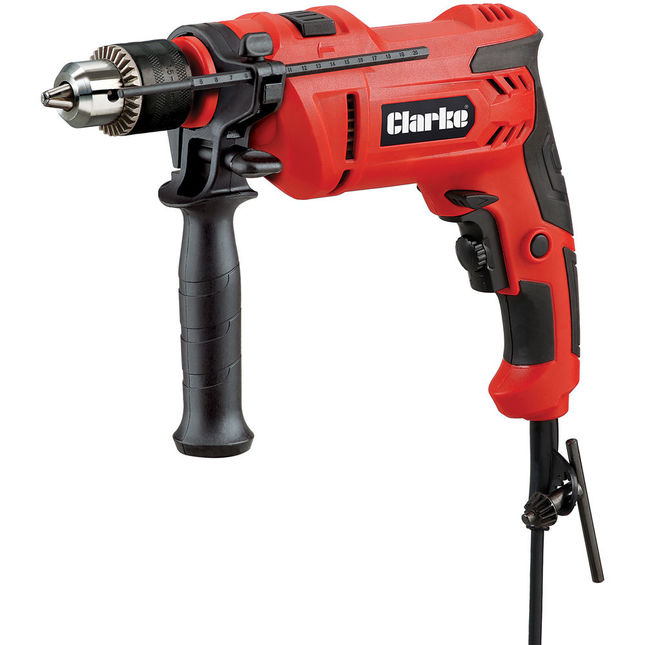
Mains Drills and Percussion Drills
Mains-powered drills provide continuous operation where a suitable electrical supply is available.
They are useful for workshop, maintenance, construction and fabrication work where battery runtime is not required.
Available designs may include rotary drills, percussion drills and heavy-duty models with side handles for greater control.
Percussion drilling adds a rapid forward-and-back action that can assist when drilling suitable brick, block and masonry.
The hammer setting should be switched off when drilling timber, metal, plastics or when using accessories not designed for impact operation.
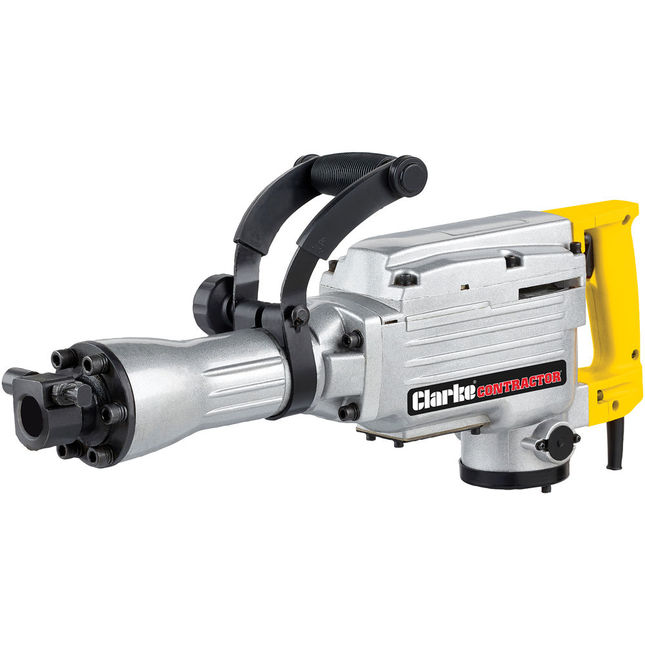
SDS Rotary Hammers and Demolition Breakers
SDS rotary hammers are designed for drilling and chiselling suitable concrete, masonry and stone.
The dedicated bit-retention system allows the drill bit to move within the chuck as the hammer mechanism operates.
Depending on the model, operating modes may include rotary drilling, rotary hammer drilling and hammer-only chiselling.
SDS Plus tools are widely used for general masonry drilling and lighter chiselling, while larger SDS Max tools are intended for heavier drilling and demolition work.
Demolition hammers and breakers provide repeated impact energy for breaking concrete, masonry, brickwork and paving.
When comparing machines, consider impact energy, blow rate, tool fitting, weight, vibration and the position in which the equipment will be used.
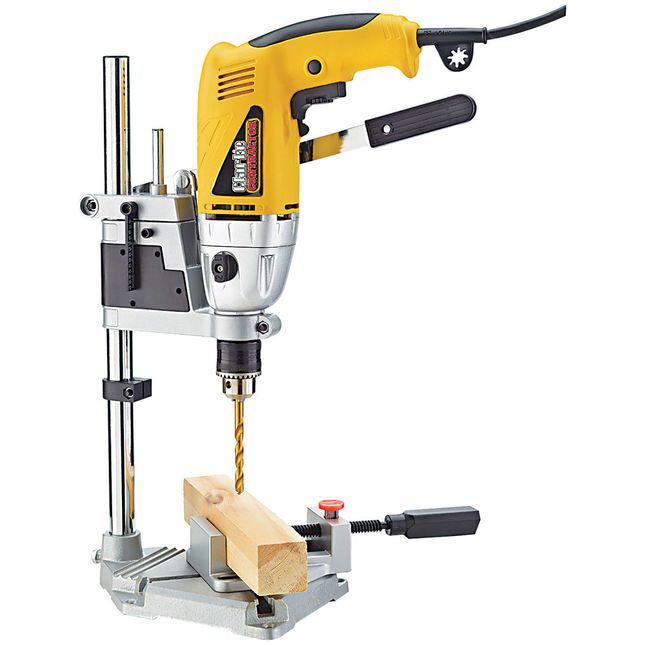
Drill Stands
A drill stand supports a compatible portable drill in a fixed position for controlled vertical drilling.
It can improve repeatability when drilling multiple holes and may provide a practical option where a dedicated pillar drill is unavailable.
The drill collar, stand capacity and workpiece support must be compatible with the intended setup.
The stand should be secured to a stable bench and the workpiece clamped before drilling.
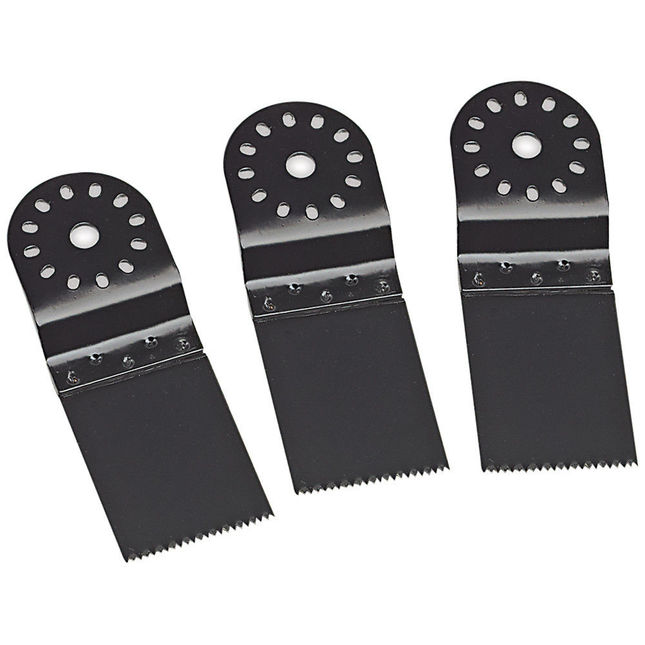
Oscillating Multi-Tools
Oscillating multi-tools move an accessory through a small, rapid side-to-side motion.
With the correct attachment, they can be used for plunge cutting, trimming, scraping, grout removal and detail sanding.
Their compact accessory profile makes them useful for restricted areas and flush-cutting work.
Select blades and accessories according to the material and ensure that the fitting is compatible with the machine.
Circular Saws and Plunge Saws
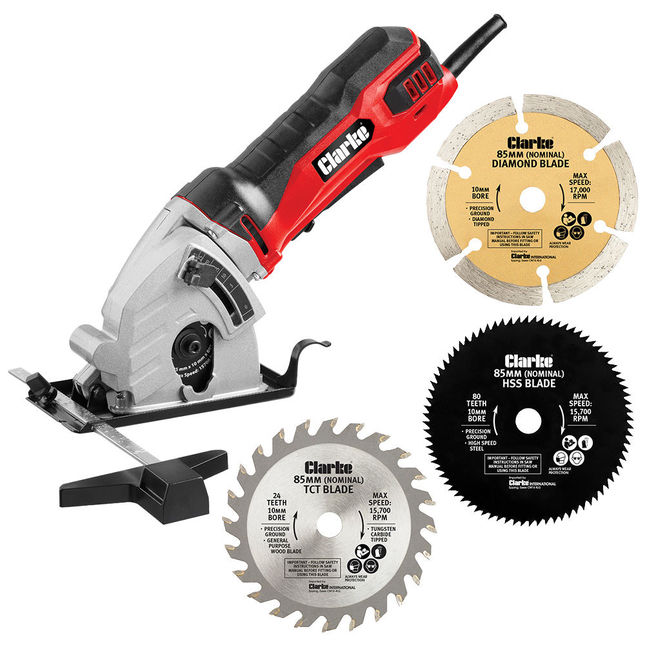
Hand-held circular saws are designed for straight cutting in timber, boards and other compatible sheet materials.
When selecting a circular saw, consider blade diameter, maximum cutting depth, bevel capacity, speed and compatibility with saw guides or dust extraction.
Plunge saws allow the blade to be lowered into the material from above and are particularly useful for cutting sheet materials, worktops, flooring and panels with a compatible guide rail.
The workpiece must be supported so that the blade cannot become trapped as the cut is completed.
Check beneath the cutting area for cables, supports and other obstructions before beginning a plunge cut.
Saw Blades, Guides and Rails
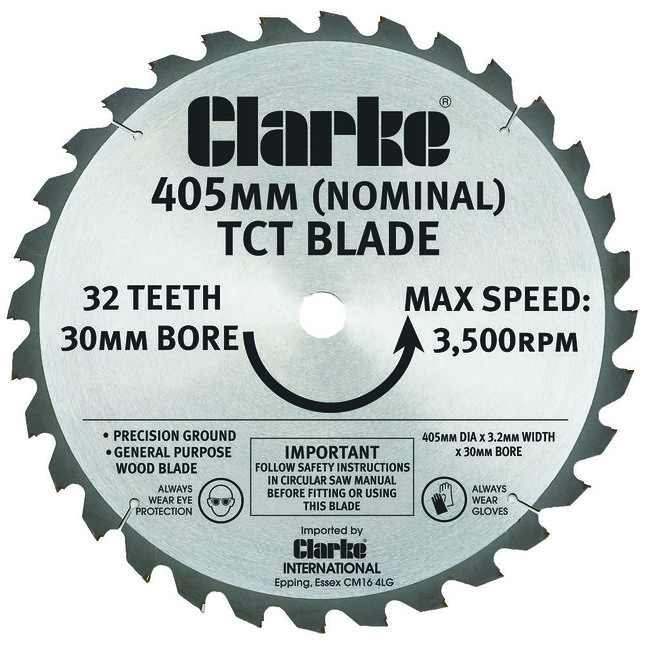
Circular saw blades must match the saw's diameter, bore size, maximum speed and intended material.
Blades with fewer teeth can provide faster cutting in suitable timber, while a greater tooth count may provide a finer finish.
Specialist blades are available for sheet materials, laminate, plastics and certain metals.
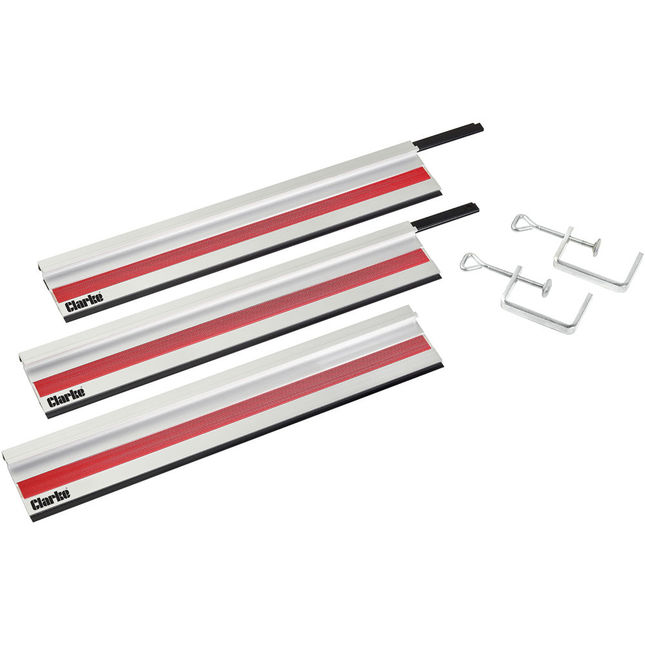
Saw guides and rails help produce straight, controlled cuts over longer distances and can improve accuracy when working with sheet material.
Compatibility between the saw, rail, clamps and joining accessories should be confirmed before purchase.
Reciprocating Saws and Jigsaws
Reciprocating saws move a straight blade backwards and forwards for demolition, pruning, pipe cutting and general repair work.
They are useful where access is restricted or where speed is more important than a fine finished edge.
Jigsaws are better suited to controlled straight, curved and internal cuts in timber, boards, plastics and compatible metals.
Blade type, tooth arrangement and cutting speed should be matched to the material.
Some jigsaws provide a pendulum action that increases cutting speed in timber but can produce a rougher finish.
Cut-Off Saws and Concrete Cutters
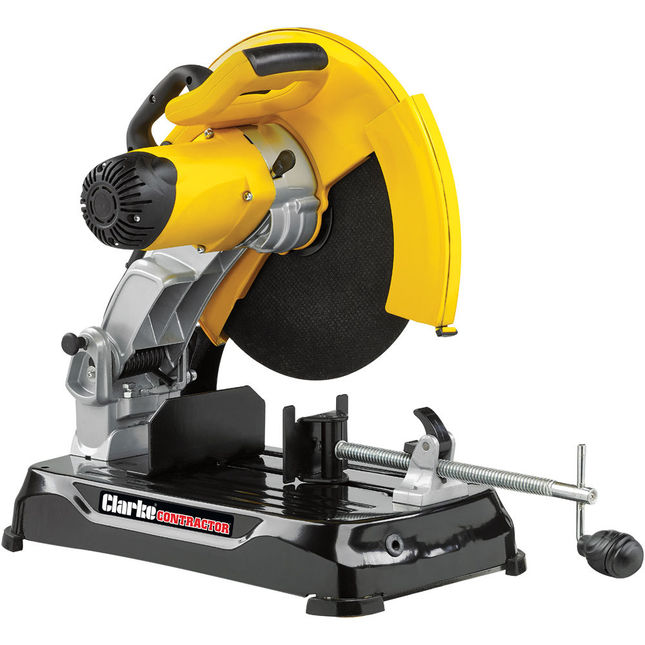
Cut-off saws are used for rapid cutting of suitable metal sections, bar, tube and other construction or fabrication materials.
Depending on the machine, cutting may be completed using an abrasive disc or a specialist toothed blade.
Concrete cutters are designed for suitable concrete, paving, masonry and other construction materials.
The correct blade, cutting depth and dust-control method depend on the machine and material.
Use only discs and blades that match the equipment specification, intended material and maximum operating speed.
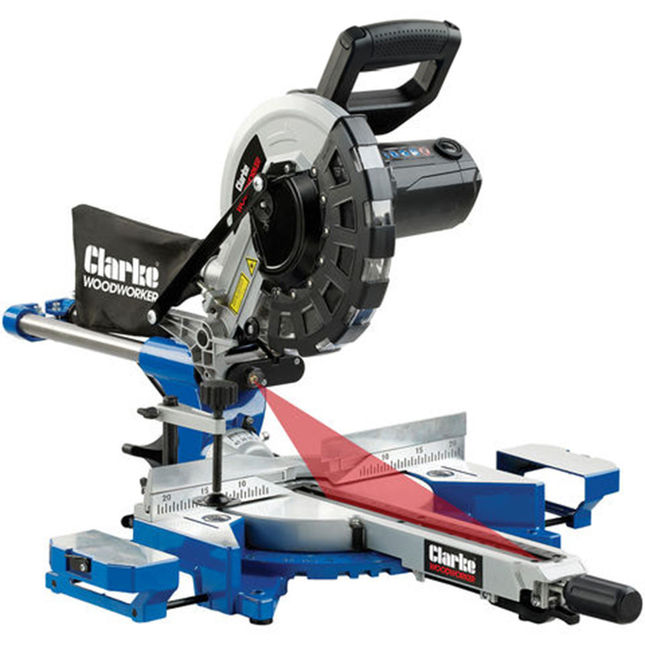
Table Saws and Mitre Saws
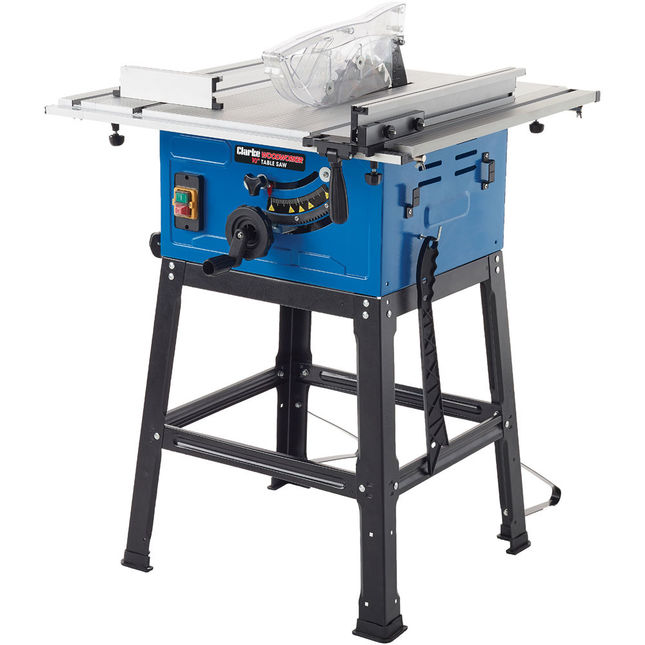
Table saws support the workpiece on a flat table while it is passed through a rotating circular blade.
They are used for ripping timber, sizing boards and producing repeated straight cuts.
When choosing a table saw, consider blade capacity, cutting depth, rip width, fence design, table size and dust-extraction connection.
Compound mitre saws are designed for controlled crosscuts, mitres and bevel cuts in timber and other compatible materials.
Sliding models provide increased cutting capacity for wider boards and workpieces.
Guards, riving knives, fences, clamps and push sticks must be used according to the machine instructions.
Routers and Laminate Trimmers
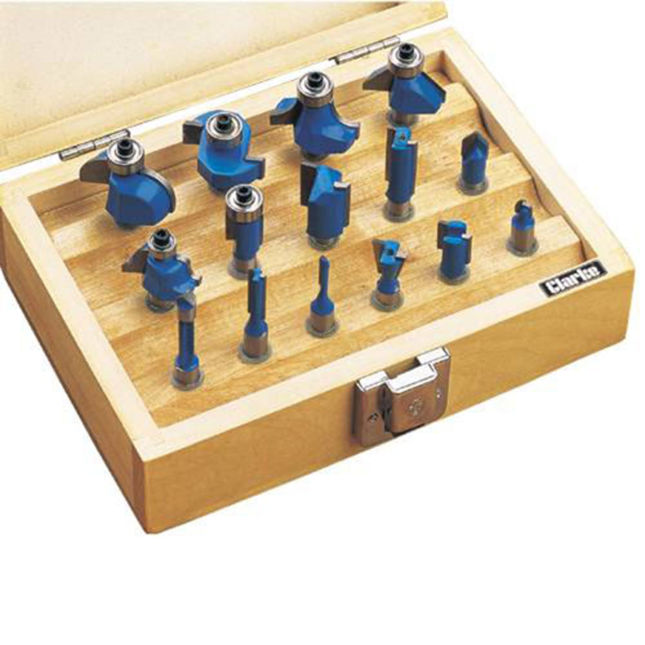
Routers use high-speed cutters to shape edges, cut grooves, form joints and produce decorative profiles in suitable timber and board materials.
Full-size plunge routers provide depth adjustment and capacity for a wide range of woodworking operations.
Laminate trimmers are smaller machines suited to edge trimming, light profiling and detailed work.
When choosing a router, check the collet sizes, speed range, plunge depth and maximum recommended cutter diameter.
The cutter shank must match the router collet exactly, and large-diameter cutters may require reduced operating speeds.
Router Tables, Jigs and Templates
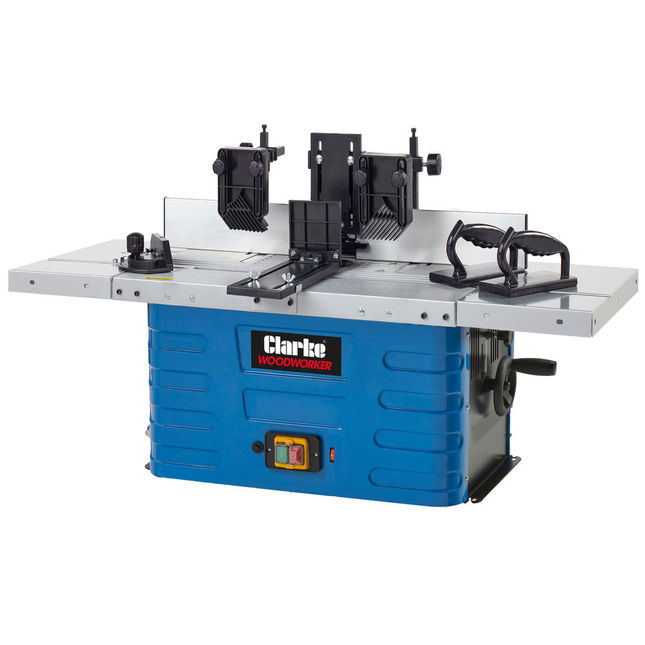
A router table holds a compatible router beneath a flat surface so that the workpiece can be guided past the exposed cutter.
This arrangement can improve support and control for edge profiling, moulding and repeated operations.
Router jigs and templates guide a compatible router when producing repeated shapes, joints, worktop cut-outs and hinge recesses.
The router, mounting plate, cutter, guide bush, fence and template arrangement must all be compatible.
Make trial cuts in waste material before working on the finished component.
Angle Grinders and Grinder Discs
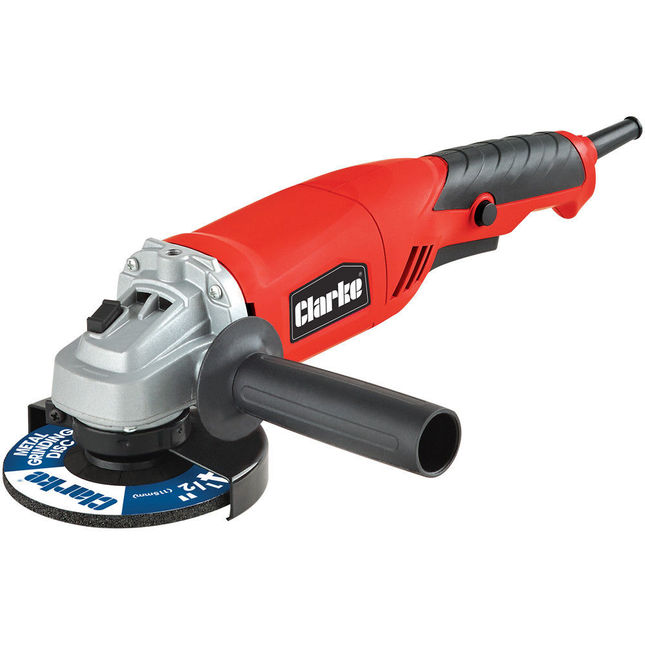
Angle grinders are versatile tools for cutting, grinding, cleaning and preparing metal, masonry and other compatible materials.
Smaller grinders are convenient for general fabrication and restricted access, while larger machines provide increased cutting depth and power.
Grinding, cutting, flap and diamond discs are designed for different materials and operations.
A thin cutting disc should not be used for side grinding because it is not designed for substantial lateral pressure.
The disc diameter, bore and maximum speed must match the grinder. The correct guard and auxiliary handle should remain fitted during operation.
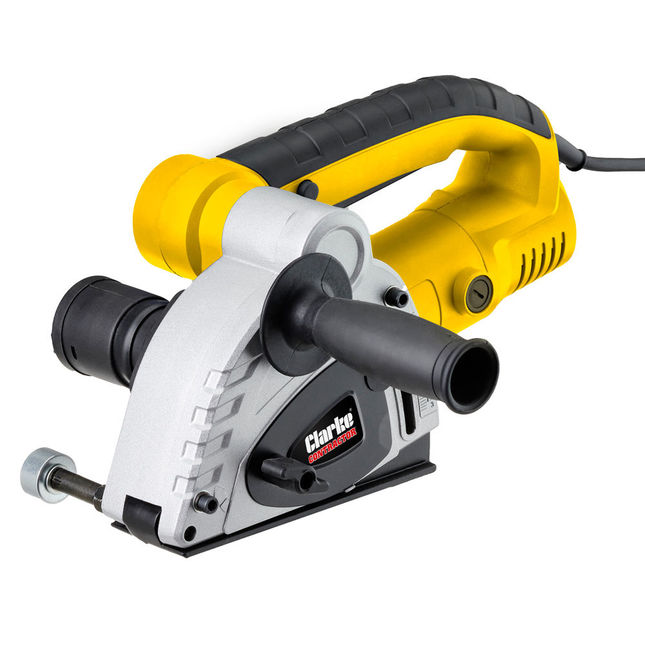
Wall Chasers
Wall chasers use cutting discs to form parallel channels in suitable masonry for cables, conduit and pipework.
They can provide more consistent chase width and depth than repeated cutting with a general-purpose grinder.
Wall chasing produces substantial dust and should be carried out with suitable extraction and respiratory protection.
Check for concealed electrical cables, gas pipes, water services and structural restrictions before cutting.
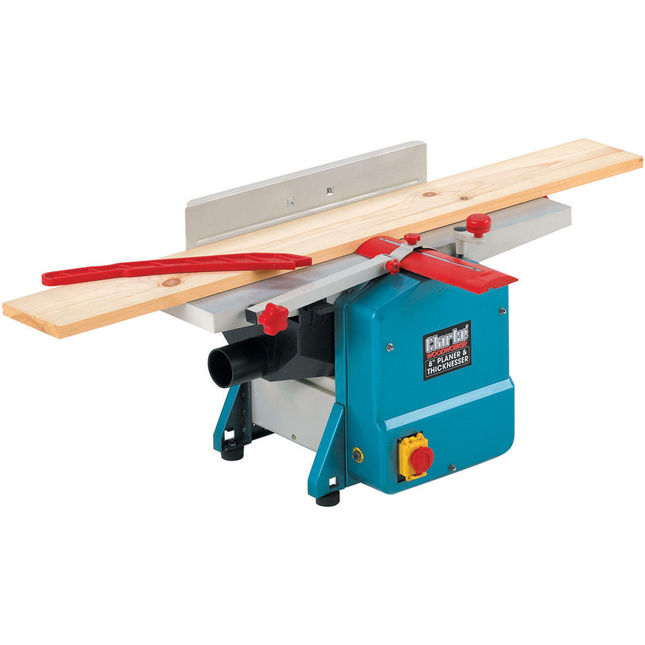
Power Planers and Planer Thicknessers
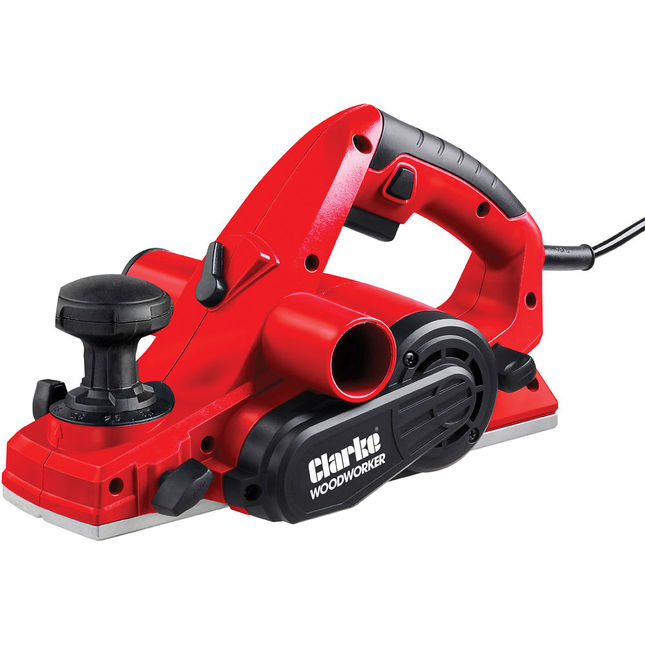
Power planers remove controlled amounts of material from timber using a rotating cutter block.
They are useful for trimming doors, reducing timber thickness, straightening edges and forming rebates.
Planer thicknessers combine surface-planing and thicknessing functions within one workshop machine.
The planing table is used to prepare a flat face or straight edge, while the thicknessing section reduces timber to a consistent finished dimension.
When choosing a machine, consider maximum material width, cutting depth, feed rate, table length and dust extraction.
Check timber for nails, screws and other embedded metal before machining.
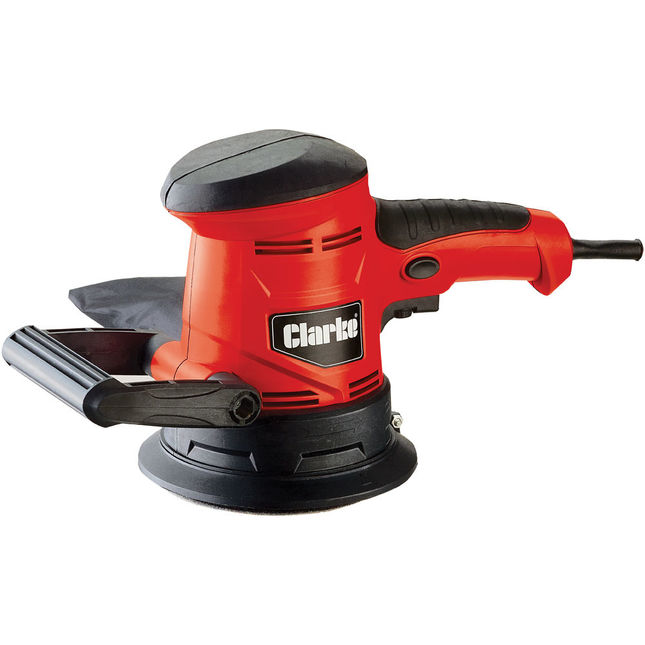
Orbital, Random Orbital and Belt Sanders
Orbital sanders move the abrasive in a small orbital pattern and are suitable for general preparation and finishing on flat surfaces.
Random orbital sanders combine orbital movement with rotation to provide efficient material removal while reducing regular sanding marks.
Belt sanders use a continuous abrasive belt for rapid levelling, finish removal and preparation of larger surfaces.
Select the abrasive grade according to the amount of material being removed and the finish required.
Begin with the least aggressive grade capable of completing the task and progress through finer grades where necessary.
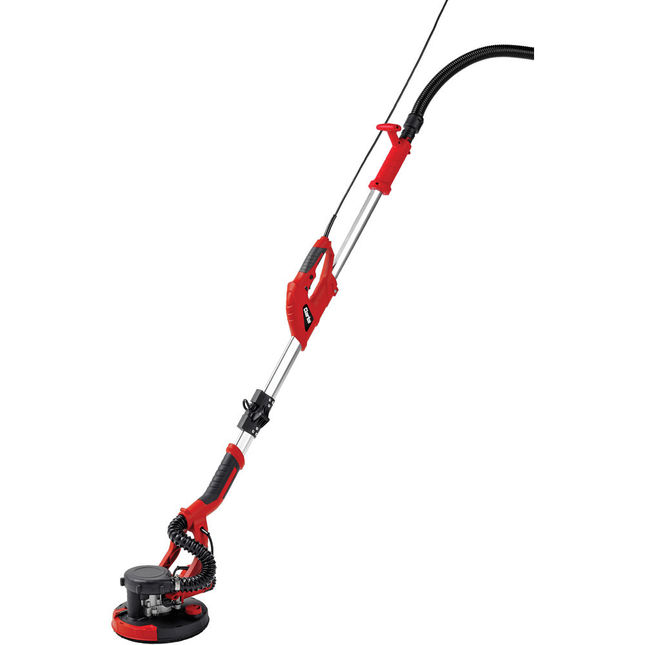
Drywall Sanders
Drywall sanders are designed for smoothing plasterboard joints, filler, skimmed walls and ceilings.
Long-reach designs can reduce the need for repeated repositioning of access equipment.
Connection to a suitable dust extractor can significantly reduce the spread of fine plaster dust.
Use appropriate respiratory protection and avoid excessive pressure that could damage the finished surface.
Power Polishers
Power polishers are used for restoring and finishing paint, metal and other compatible surfaces.
Rotary polishers provide direct pad rotation and can remove defects quickly in experienced hands.
Pad type, polishing compound, machine speed and surface condition must be considered together.
Work progressively and avoid remaining in one area long enough to generate excessive heat.
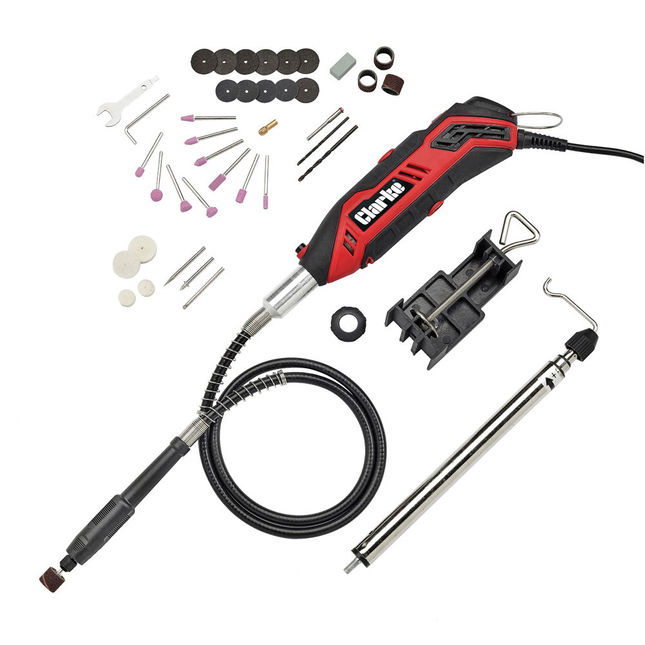
Mini Rotary Tools and Engravers
Mini rotary tools use small interchangeable accessories for cutting, grinding, sanding, polishing, drilling and engraving.
Their compact size makes them useful for hobby work, model making, detailed repairs and precision finishing.
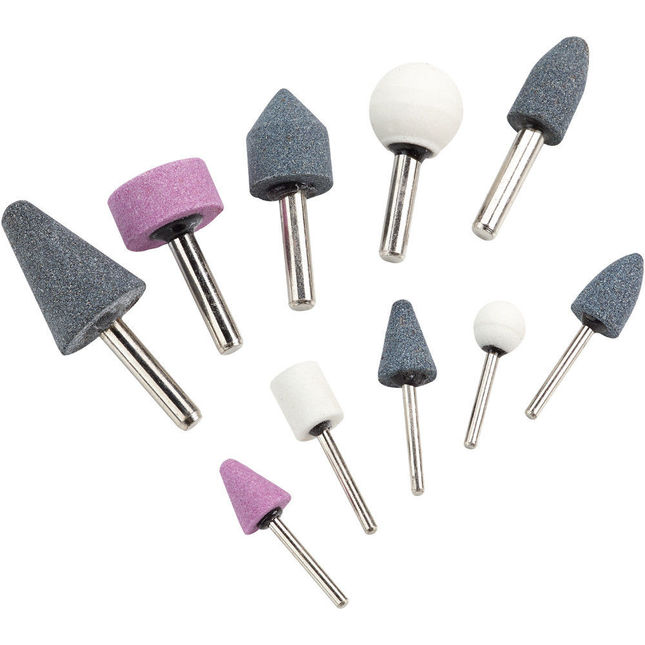
Accessories may include grinding stones, sanding drums, polishing wheels, drill bits, engraving cutters, brushes and miniature cutting discs.
The accessory type, shank diameter and maximum operating speed must be compatible with the tool.
Nail Guns and Staple Guns
Powered nail guns and staple guns provide fast, repetitive fastening for suitable timber, sheet materials, upholstery and construction products.
Different tools are designed for specific nail or staple types, gauges and lengths.
Before choosing a machine, check the required fastener range, firing method, depth adjustment and material compatibility.
Disconnect the tool from its battery, mains supply or air source before clearing a jam.
Never direct the tool towards another person and keep hands clear of the fastening area.
Heat Guns
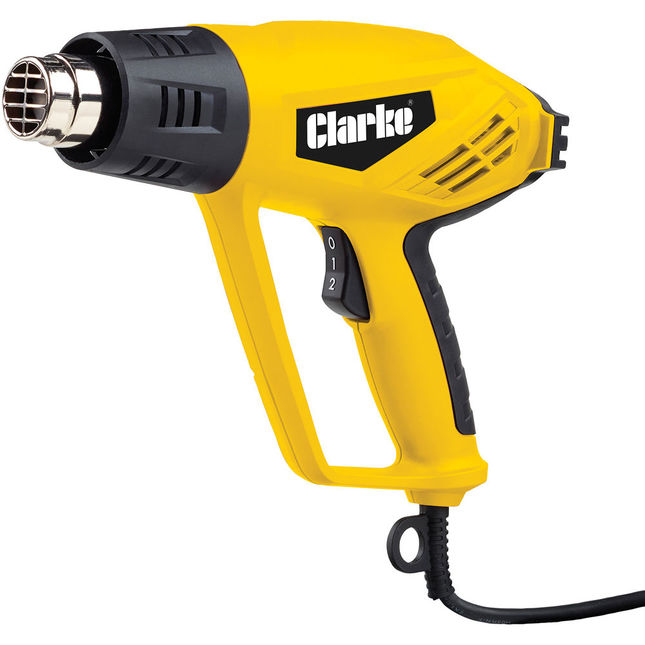
Heat guns produce a controlled stream of hot air for paint stripping, heat shrinking, adhesive removal, plastic forming and other suitable applications.
Variable temperature and airflow settings can improve control when working with different materials.
The nozzle and surrounding surfaces remain hot after use and should be allowed to cool in a safe position.
Before heating walls or fitted components, check for concealed wiring, pipes and flammable materials.
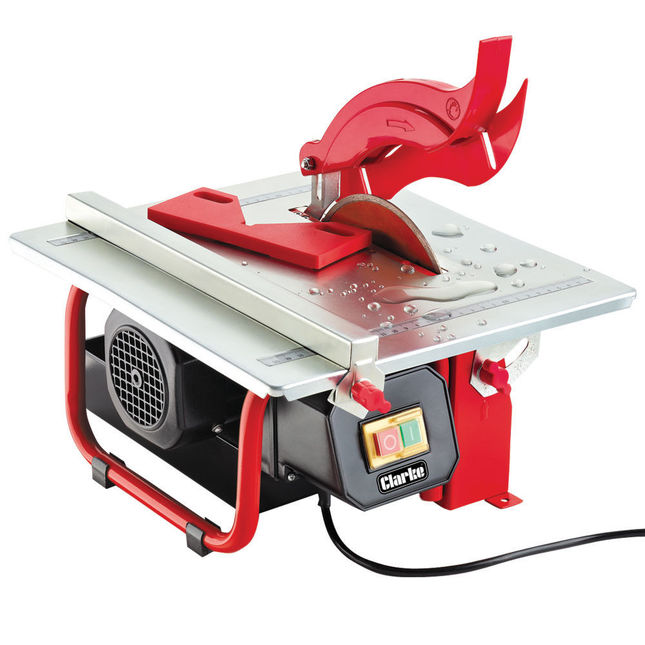
Electric Tile Cutters
Electric tile cutters use a rotating diamond blade to cut suitable ceramic, porcelain and stone tiles.
Depending on the model, water may be used to cool the blade and reduce airborne dust.
When choosing a tile cutter, consider maximum tile size, cutting depth, diagonal capacity, bevel adjustment and the type of tile being cut.
Feed the tile at a controlled rate without forcing it into the blade, and keep electrical connections protected from water where wet cutting is used.
110V and 230V Power Tools
Clarke power tools may be available in 110V or 230V versions.
Reduced-voltage 110V equipment is commonly used on construction sites with a suitable centre-tapped transformer and compatible connectors.
Tools designed for 230V operation may be used in workshops, homes and other locations with an appropriate protected supply.
Always check the voltage shown on the tool before connecting it to a supply.
A 110V transformer must be capable of supplying the operating and starting demand of all connected tools.
Extension Leads and Cable Reels
Extension leads must be rated for the connected tool, supply voltage, cable length and operating environment.
An undersized or excessively long lead can cause voltage drop, reduced performance and overheating.
Cable reels should normally be fully unwound when supplying high-powered equipment, subject to the reel instructions.
Route cables away from cutting areas, vehicles, water, heat and sharp edges.
Variable Speed, Soft Start and Motor Protection
Variable-speed control allows the operating rate to be adjusted for the material and accessory.
Lower speeds may improve control when starting holes, driving screws, polishing or working with heat-sensitive materials.
Some tools use electronic control to help maintain speed as load increases.
Soft-start systems increase motor speed progressively, helping to reduce the initial movement of powerful grinders, saws and routers.
Some machines also include overload or thermal protection. Repeated activation may indicate excessive pressure, a blunt accessory, obstructed ventilation or an application beyond the tool's capacity.
Dust Extraction
Cutting, routing, sanding, planing and chasing can produce large quantities of dust.
Where the tool includes an extraction connection, use a suitable hose and vacuum or dust extractor designed for the material being collected.
Fine wood, masonry and plaster dust may require specialist filtration and additional respiratory protection.
Dust extraction should be combined with suitable ventilation, cleaning and safe-working procedures.
Power Tool Accessories and Consumables
The performance of a power tool depends heavily on the accessory fitted to it.
Clarke supplies compatible drill bits, blades, discs, router cutters, sanding products, planer blades, guides and other consumables.
Before fitting an accessory, check its dimensions, mounting system, material suitability and maximum operating speed.
Accessories should be replaced when they become blunt, cracked, damaged, heavily worn or contaminated.
Choosing Drill Bits and Saw Blades
Drill bits should be selected according to the material and required hole.
High-speed steel bits are commonly used for metal and certain plastics, while wood bits are designed for timber. Masonry bits are intended for brick, block and concrete with a suitable percussion or rotary-hammer drill.
Saw blade selection depends on the machine, material, thickness and required finish.
The blade length, diameter, bore, shank or fitting must match the tool.
Using an unsuitable accessory can produce poor results, excessive heat, premature wear or loss of control.
Supporting the Workpiece and Avoiding Kickback
Workpieces should be supported and clamped wherever practical.
Secure support reduces movement, improves accuracy and allows both hands to remain available for controlling the tool.
Consider how the workpiece and offcut will move when the cut is completed.
Kickback can occur when a rotating blade, disc or cutter becomes trapped, pinched or misaligned.
Use sharp accessories, maintain the correct cutting path and keep both hands on the tool where two handles are provided.
Do not restart a saw or grinder while its accessory remains trapped within the cut.
Typical Power Tool Applications
- Drilling timber, metal, plastics and masonry
- Driving screws and construction fixings
- Removing automotive and mechanical fasteners
- Breaking concrete, brickwork and paving
- Cutting timber, boards, metal and plastics
- Producing mitres, bevels and repeated crosscuts
- Routing grooves, joints and decorative profiles
- Grinding, cutting and preparing metal
- Chasing walls for cables and pipework
- Planing and sizing timber
- Sanding walls, timber and painted surfaces
- Polishing paintwork and metal
- Cutting ceramic and porcelain tiles
- Installing nails and staples
- Paint stripping and heat-shrink work
- Construction, renovation and property maintenance
Power Tool Care and Battery Maintenance
- Disconnect the power supply or remove the battery before maintenance
- Clean dust and debris from ventilation openings
- Inspect cables, plugs, batteries and chargers regularly
- Check guards, handles and safety switches before use
- Replace blunt, cracked or damaged accessories
- Keep chucks, collets and accessory fittings clean
- Empty dust bags and maintain extraction filters
- Use only compatible chargers and batteries
- Do not use batteries that are cracked, swollen or damaged
- Protect battery terminals from short circuits
- Allow overheated batteries to cool before charging
- Store tools and batteries in a clean, dry location
- Recycle exhausted batteries through an appropriate collection service
Power Tool Safety
- Read the operating instructions before use
- Select the correct tool and accessory for the task
- Wear suitable eye, hearing, respiratory, hand and foot protection
- Inspect the tool and accessory before operation
- Secure loose clothing, jewellery and long hair
- Keep guards and safety devices fitted
- Clamp the workpiece where practical
- Check for concealed services before drilling or cutting
- Keep cables clear of blades, discs and moving parts
- Disconnect the tool before changing accessories
- Allow moving accessories to stop completely before putting the tool down
- Keep children and bystanders away from the working area
- Do not use electrical tools in wet conditions unless specifically designed for them
- Use suitable dust extraction and ventilation
- Follow the instructions supplied with the machine and accessory
Power Tool FAQs
Should I choose a cordless or mains power tool?
Cordless tools provide portability and freedom from cables. Mains tools can provide consistent operation for longer tasks where a suitable electrical supply is available. The best choice depends on runtime, power requirements and working location.
What battery voltage do I need?
Choose the battery platform according to the tools and applications involved. Voltage is only one part of performance, so torque, speed, capacity, motor design and tool weight should also be compared.
What does ampere-hour mean on a battery?
Ampere-hour indicates battery capacity. A higher capacity can generally provide longer runtime under similar conditions but may also increase battery size and weight.
Can batteries be shared between cordless tools?
Only batteries specifically designed for the same compatible platform should be interchanged. Matching voltage alone does not confirm compatibility.
What is the difference between a drill driver and an impact wrench?
A drill driver uses a chuck for drill bits and driving accessories. An impact wrench uses a square drive and repeated rotational impacts to work with suitable nuts and bolts.
Do I need an impact wrench to remove wheel nuts?
An impact wrench can make wheel-fastener removal faster, but final tightening should be completed to the vehicle manufacturer's specification using a torque wrench.
What is the difference between a hammer drill and an SDS drill?
A hammer drill adds a light percussion action to a conventional rotating chuck. An SDS rotary hammer uses a dedicated bit system and a more powerful impact mechanism for demanding masonry drilling and chiselling.
Can an SDS drill use ordinary drill bits?
Some SDS drills can accept a compatible adaptor and conventional chuck for rotary-only drilling. Check the machine instructions and do not use a conventional chuck in hammer mode unless specifically permitted.
What is an oscillating multi-tool used for?
An oscillating multi-tool can perform plunge cuts, trimming, scraping, grout removal and detail sanding when fitted with a suitable accessory.
What is the difference between a circular saw and a plunge saw?
A conventional circular saw commonly begins cutting from an exposed edge. A plunge saw allows the blade to be lowered into the workpiece and is normally designed to work with a guide rail.
What is the difference between a jigsaw and a reciprocating saw?
A jigsaw is suited to controlled straight and curved cuts, while a reciprocating saw is primarily designed for rapid demolition, pruning and rough cutting.
What is a sliding mitre saw used for?
A sliding mitre saw produces controlled crosscuts and angled cuts while providing greater capacity for wider boards than many non-sliding models.
What is the difference between a router and a laminate trimmer?
A full-size router generally offers greater power, plunge capacity and cutter range. A laminate trimmer is smaller and suited to edge trimming, light profiling and detailed work.
What size angle grinder should I choose?
Smaller grinders are convenient for general fabrication and restricted access. Larger grinders provide increased cutting depth and power but are heavier and require greater control.
Can I use a cutting disc for grinding?
No. Thin cutting discs are not designed for substantial side loading. Use a grinding or flap disc intended for the required operation.
What is the difference between an orbital and belt sander?
An orbital sander is suited to general preparation and finishing. A belt sander removes material more quickly and is useful for levelling larger surfaces.
What grit sandpaper should I use?
Coarse abrasives remove material rapidly, medium grades prepare the surface and finer grades produce a smoother finish. Begin with the least aggressive grit capable of completing the task.
Do drywall sanders remove all dust?
A compatible extraction system can reduce airborne dust considerably but will not normally capture every particle. Additional containment, ventilation and respiratory protection may still be required.
What is the difference between 110V and 230V tools?
The figures refer to supply voltage. 110V equipment is commonly used on construction sites with a suitable transformer, while 230V tools are used with an appropriate mains supply.
Can I run power tools from a generator?
Yes, where the generator provides the correct voltage, frequency, continuous output and starting capacity. Electronic tools may also require a suitably stable supply.
Why does my power tool keep overheating?
Possible causes include blocked ventilation, excessive pressure, a blunt accessory, low supply voltage, continuous heavy loading or using the tool beyond its intended capacity.
Why is my saw burning the timber?
Possible causes include a blunt or unsuitable blade, slow feed, incorrect blade installation, restricted movement, resin build-up or poor alignment.
Why is my angle grinder vibrating excessively?
Stop the machine immediately. The disc may be damaged, incorrectly fitted, unsuitable, contaminated or out of balance. The grinder should be inspected if the problem continues.
How should power tools be stored?
Clean the tool, remove or protect sharp accessories and store it in a dry case, cabinet or secure workshop area. Batteries should be stored according to the manufacturer's temperature and charge recommendations.