-
All Products
Open Toggle
- Power Tools
- Air Compressors
- Air Tools & Accessories
- Bicycle, Tools & Accessories
- Cast Iron & Steel Stoves & Accessories
- Cleaning
- Clothing
- Construction
- Drill & Screwdriver Bits
- Electrical & Electronic
- Engines, Electric Motors
- Fans, Air Conditioners & Ventilation
- Garage Equipment
- Gardening & Outdoor
- Generators
- Hand Tools
- Health & Safety
- Heaters - Electric, Gas, Diesel
-
Air Tools &
Compressors Open ToggleDIY & Semi Pro Air Compressors
Electric Professional / Industrial Air Compressors
Petrol & Diesel Driven Professional / Industrial Air Compressors
Screw Compressors
Ultra Quiet Air Compressors
Compressed Air Dryers
Compressed Air Receivers
Air Compressor Pumps - Replacements
Air Compressor Filters
Accessories & Consumables
Air Tools and Accessories
Oils & Lubricants
Low Noise Compressors
-
Garage
Equipment Open ToggleWorkshop Cranes & Engine Stands
Vehicle Battery Chargers
Engine Starters/Chargers
Jump Starts
Inspection Lamps
Motorcycle Lifts, Stands & Dollys
Air Compressors
Grease Guns, Cartridges & Dispensers
Trolley Jacks & Car Jacks
Automotive Heating & Cooling System Tools
Garages & Sheds
Motorcycle Mechanics Tools
Vehicle Movement Dollys & Trolleys
Automotive Hand Tools
All Tool Chests & Cabinets
Impact Wrenches
Hydraulic & Arbor Presses
Battery Testers
Farm Jacks
Transmission Jacks & Stands
Axle Stands
Body Repair Tools, Kits & Equipment
Automotive Consumables & Accessories
See more...
-
Garden &
Outdoor Open TogglePowered Lawnmowers
Garages
Chainsaws
Chainsaw Accessories
Log Splitters
Log Saws
Fruit Presses
Cutting and Pruning
Digging Tools
Garden Hoses & Hose Accessories
Outdoor Accessories
Wheelbarrows
Garden Trolleys, Trailers & Carts
Garden Sprayers - Handheld, Backpack, Wheeled
Oils and Lubricants
Axes, Mauls & Billhooks
-
Generators &
Power Packs Open Toggle -
Hand
Tools Open ToggleTool Kit Sets
Allen, Hex, Torx and Star Key Sets
Chisels & Punches
Files
Hammers
Soft Faced Hammers & Mallets
Knives & Multi Tools
Bolsters & Cold Chisels
Nail Pullers, Pry & Crow Bars
Pliers
Locking Pliers & C Clamps
Plier Sets
Snips and Cutters
Circlip Pliers and Sets
Water Pump Pliers
Wire Strippers
Screwdrivers - Sets
Hacksaws
Staplers, Staple & Nail Guns
Podger Spanners
Tap & Die Sets
Tape Measures
Whetstones & Sharpening Tools
See more...
-
Heaters &
Radiators Open Toggle -
Power
Tools Open ToggleCordless Drills & Drill/Drivers
Impact Wrenches
Mains Power Drills (Non SDS)
Mains Powered SDS, SDS+ and SDS MAX Drills
Demolition Hammers & Breakers
Drill Stands & Accessories
Oscillating Multi Tools
Multi Tool Blades & Accessories
Hand Held Circular Saws
Circular Saw Blades
Cut Off Saws
Reciprocating Saws
Jigsaws
Routers & Laminate Trimmers
Router Jigs & Templates
Router Bit Sets
Saw Guides and Rails
Mini Rotary Tools & Engravers
Rotary Tool and Engraver Accessories
Nail Guns and Staple Guns and Accessories
Biscuit & Dowel Jointers
Heat Guns
Table Saws
See more...
-
Pressure
Washers Open Toggle -
Stoves &
Accessories Open Toggle -
Tool
Storage Open ToggleShelving and Racking
All Tool Chests and Cabinets
Modular Workshop Systems
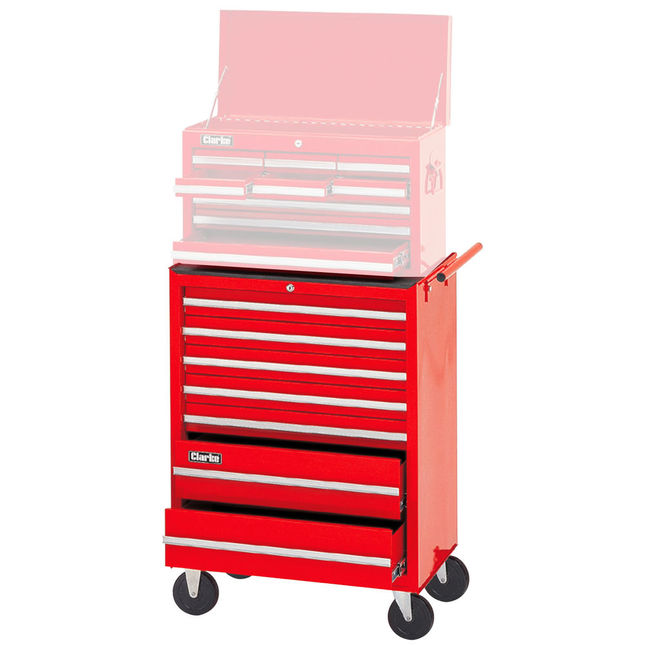
Clarke Mechanics' Tool Chest Range
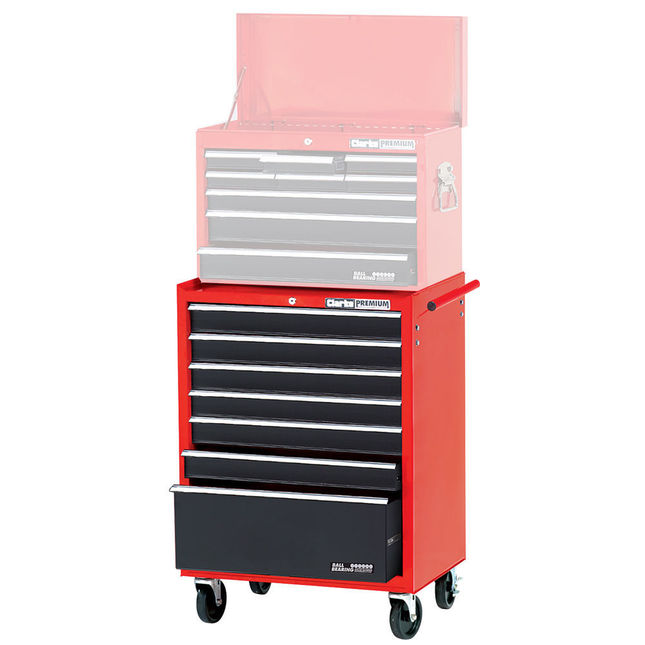
Clarke Professional Tool Chests
Clarke Premium Tool Chests
Clarke Heavy Duty Tool Chests
Clarke Heavy Duty+ Tool Chests
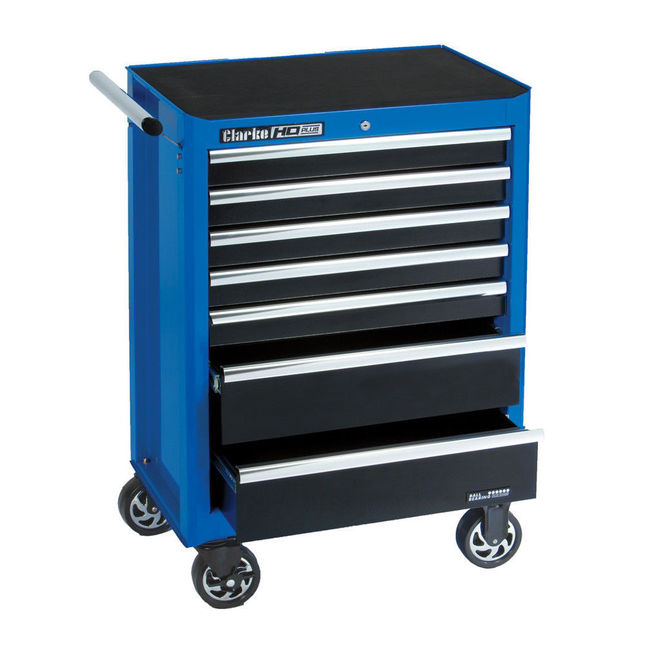
Clarke Blue Industrial Heavy Duty+ Tool Chests
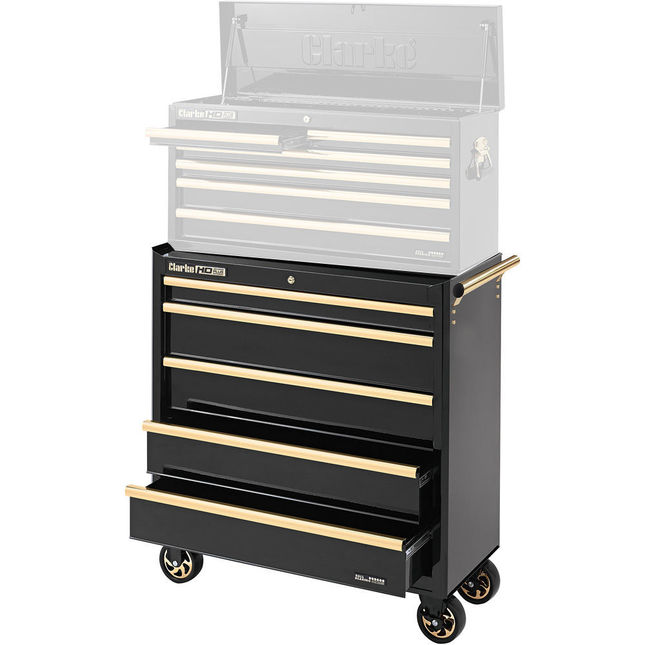
Clarke Black/Gold Heavy Duty+ Tool Chests
Clarke Contractor Heavy Duty+ Tool Chests
Tool Boxes
Tool Bags
Workbenches & Accessories
Cupboards & Cabinets
Site and Van Safes/Storage
-
Water
Pumps Open ToggleSubmersible Pumps - Non Solid Handling
Submersible Pumps - Solids Handling
Submersible Pumps - Sewage Cutter
Surface Pumps - Engine Driven
Surface Pumps - Industrial Electrical Centrifugal
Swimming Pool Pumps
Booster Pumps
Miscellaneous and Transfer Pumps
Pump Controllers & Switches
Hose
Hose Clips
Couplers, Valves & Filters
-
Welders &
Accessories Open ToggleMIG Welders
Arc/TIG Welders
Arc Welders
Plasma Cutters
MIG/TIG/MMA(Arc) Welders
Spot Welders
Petrol Driven Welders
Welding Headshields & Goggles
Welding PPE
MIG/TIG Welding Gas
MIG/TIG Welding Regulators, Gauges & Hoses
Welding Tips, Shrouds Swan Necks & Liners
Welding Accessories
Blowtorches, Cartridges and Accessories
MIG & TIG Torch Assemblies and Hoses
Welding Electrodes & Rods
-
About
Us

Storage
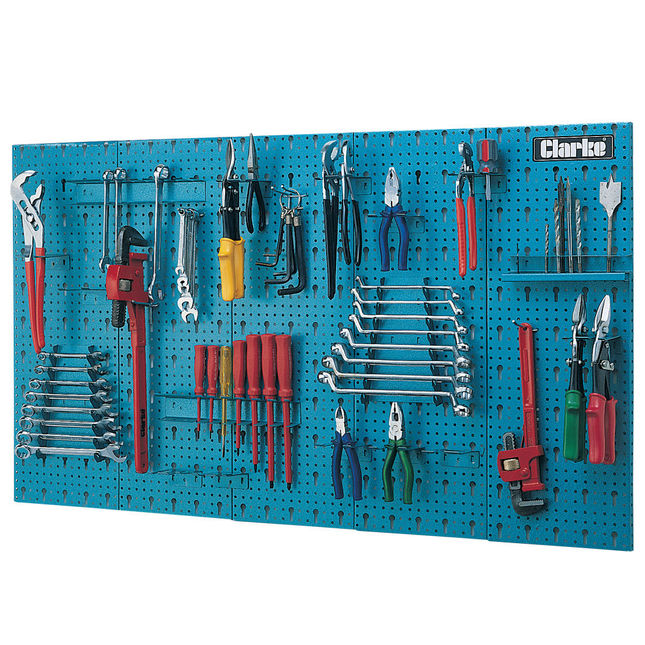
Tool Storage for Garages, Workshops, Vans and Industrial Workspaces
Clarke offers a comprehensive range of tool storage solutions for home garages, professional workshops, service departments, construction sites, commercial vehicles and industrial environments.
Choose from tool chests, roller cabinets, modular workshop systems, workbenches, shelving, racking, tool boxes, tool bags, organiser cases, service trolleys, storage cupboards, wall-mounted tool racks, louvred panels, storage bins and secure site or van storage.
Choosing the Right Tool Storage
The most suitable storage solution will depend on the type and quantity of tools being stored, the available workspace, the required level of security and whether the equipment needs to remain mobile.
For a home garage or small workshop, a tool chest and roller cabinet combination may provide organised storage without occupying excessive floor space. Larger professional workshops may benefit from modular systems, workbenches, wall cabinets and industrial shelving that can be configured around the working area.
Mobile tradespeople may require portable tool boxes, tool bags or secure van storage, while warehouses and industrial environments may need heavy-duty racking, shelving and material-storage systems.
Before choosing storage equipment, consider the total load, drawer dimensions, cabinet height, locking system, wheel capacity, floor condition and the size of the tools or materials being stored.
Tool Chests and Roller Cabinets
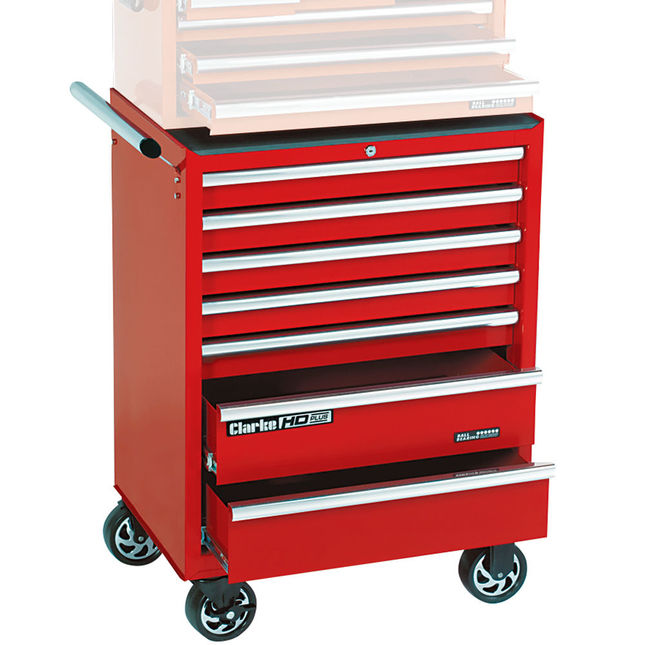
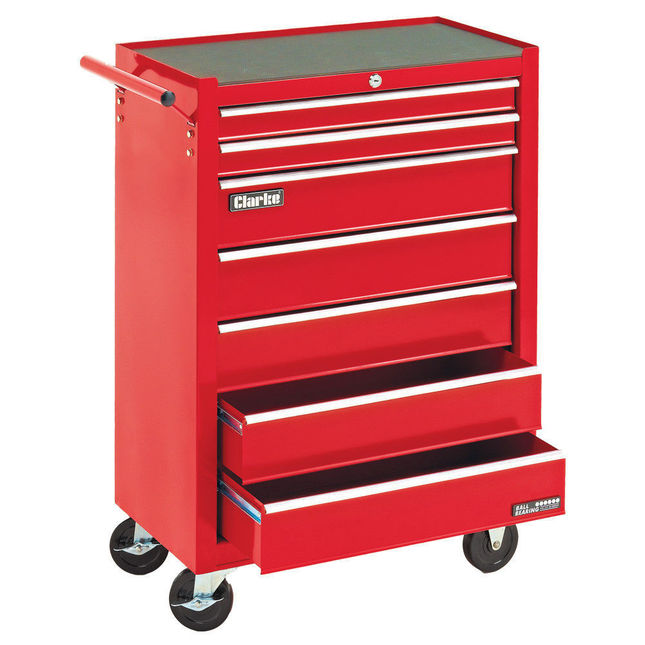
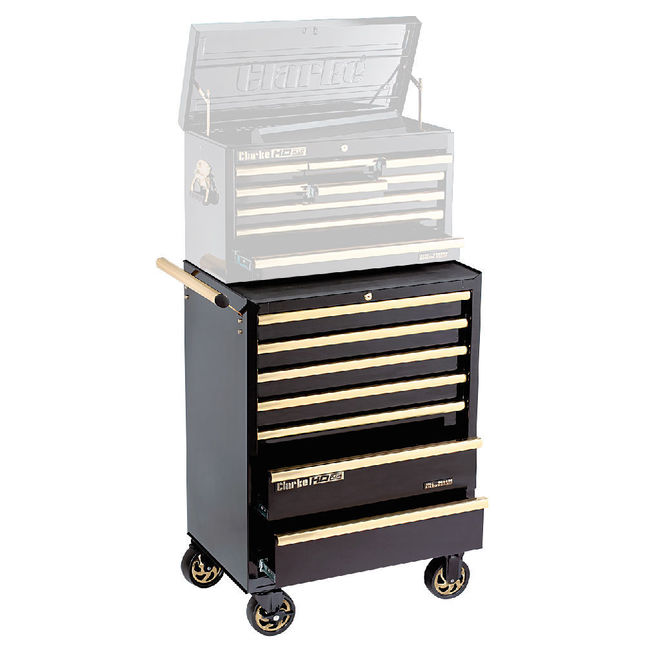
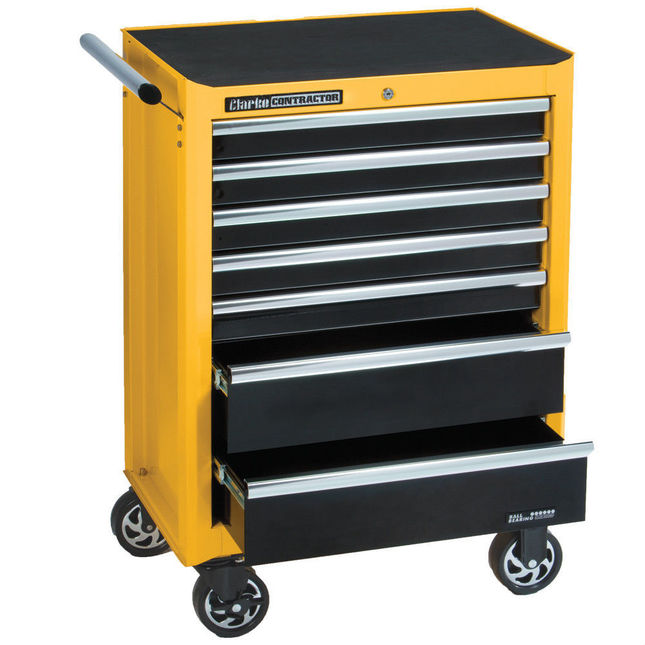
Tool chests and roller cabinets provide organised drawer storage for hand tools, power-tool accessories, automotive equipment and workshop consumables.
Top chests can be positioned on a compatible roller cabinet or suitable work surface, while roller cabinets provide additional storage and mobility around the workshop.
When selecting a tool chest or cabinet, consider the number of drawers, drawer depth, overall dimensions and maximum load. Shallow drawers are useful for sockets, spanners and smaller hand tools, while deeper drawers can accommodate power tools, larger equipment and boxed sets.
Lockable cabinets can help protect valuable tools and prevent unauthorised access, although they should always be used in accordance with the locking and security instructions supplied.
Clarke Mechanics' Tool Chests
Clarke mechanics' tool chests provide practical storage for home mechanics, vehicle enthusiasts and light workshop use.
They are suitable for organising commonly used sockets, spanners, screwdrivers, pliers and other automotive hand tools in an accessible drawer layout.
A mechanics' chest can be combined with a compatible roller cabinet to increase capacity as the tool collection grows.
Professional and Premium Tool Chests
Professional and premium tool chests are designed for regular workshop use where strength, storage capacity and reliable drawer operation are important.
These ranges may include larger cabinets, additional drawers, reinforced construction and enhanced workshop styling. They are suitable for professional garages, engineering workshops, maintenance departments and other demanding working environments.
Choose a cabinet according to the weight and dimensions of the tools being stored rather than appearance alone.
Heavy Duty and Heavy Duty Plus Tool Chests
Heavy-duty tool storage is intended for demanding workshop environments and larger tool collections.
Clarke Heavy Duty and Heavy Duty Plus ranges include cabinets and chests designed to provide substantial storage capacity for automotive, engineering and industrial tools.
Available ranges may include blue industrial, black and gold, contractor and other coordinated finishes, allowing workshops to create a consistent storage layout.
Always observe the stated drawer and overall load limits, and distribute heavy tools evenly throughout the cabinet.
Modular Workshop Storage Systems
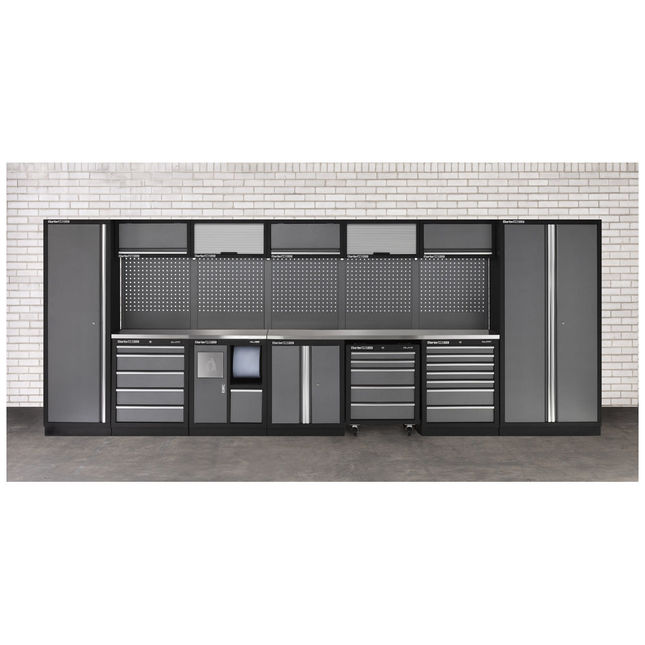
Modular workshop systems allow cabinets, drawers, worktops and wall storage to be combined into a coordinated workspace.
They are ideal for professional workshops, garages, maintenance areas and larger home workshops where an integrated storage and workbench arrangement is required.
A modular system can help make better use of wall and floor space by combining base cabinets, drawer units, work surfaces, tall cupboards and overhead storage.
Before planning a modular workshop, measure the available width, height and depth carefully. Allow suitable space for doors and drawers to open fully and for users to move safely around the work area.
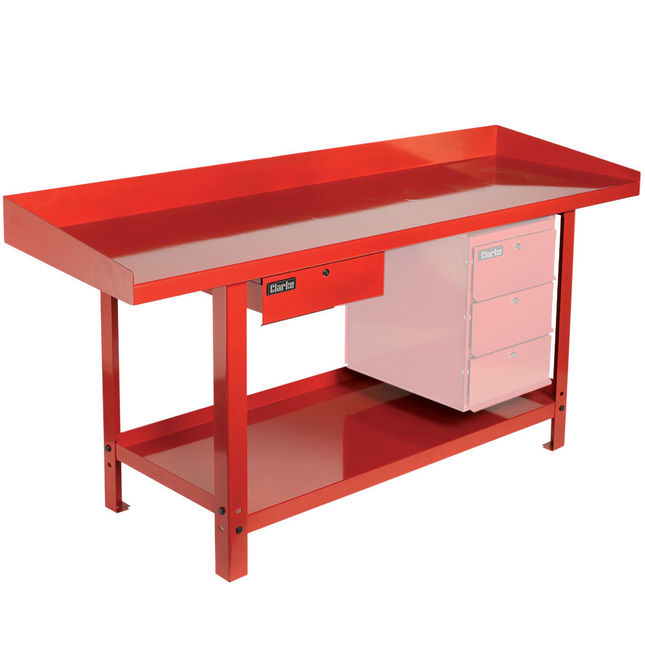
Workbenches and Workbench Accessories
A suitable workbench provides a stable surface for assembly, repair, maintenance and general workshop tasks.
Workbenches may include drawers, cupboards, lower shelves, pegboards or other integrated storage features. Some models are designed to form part of a larger modular workshop system.
When choosing a workbench, consider the maximum working load, worktop material, available surface area and the type of work being carried out.
Heavy-impact, pressing or clamping tasks may require a more substantial bench than light assembly, electronics or general maintenance work.
Tool Boxes
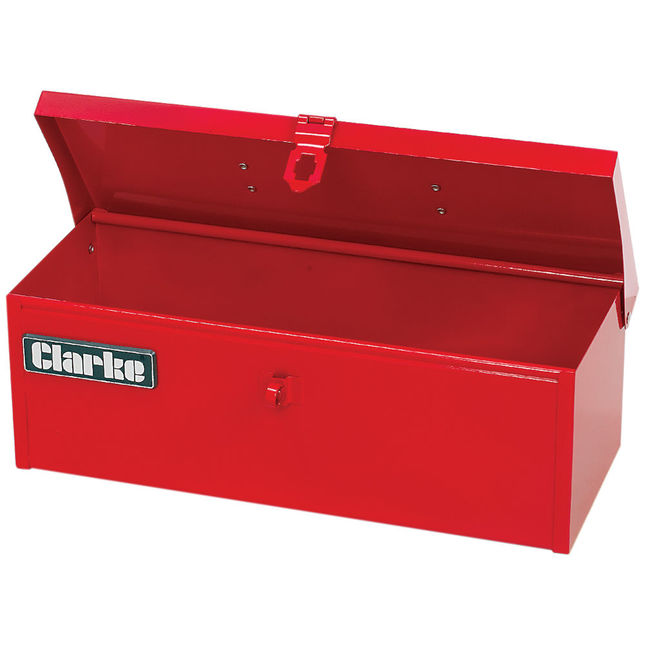
Portable tool boxes provide convenient storage and transport for hand tools, fixings, accessories and smaller equipment.
They are suitable for mobile tradespeople, maintenance workers, installers, home users and anyone who needs to carry tools between locations.
When selecting a tool box, consider its internal capacity, tray layout, handle design, locking provision and resistance to everyday site or workshop conditions.
Avoid overloading a portable tool box, as excessive weight can make it difficult or unsafe to lift and carry.
Tool Bags
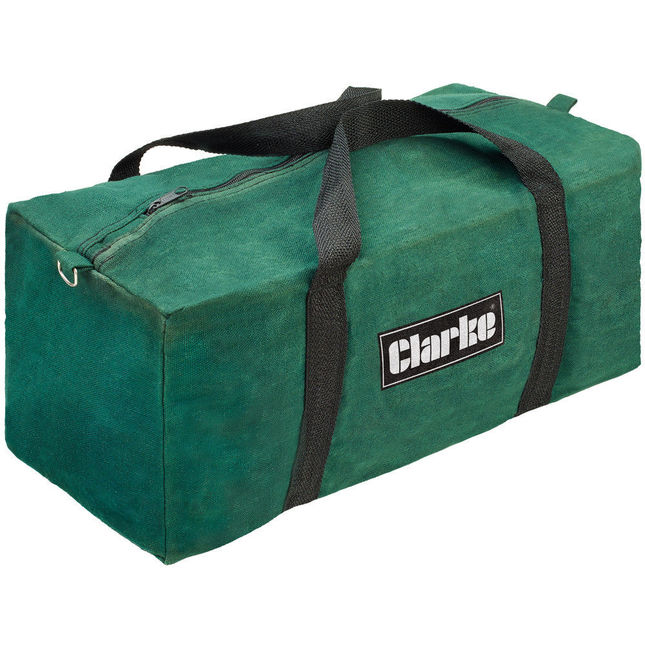
Tool bags provide flexible and lightweight storage for hand tools, meters, fixings and frequently used equipment.
They are particularly useful for electricians, engineers, installers and service technicians who need fast access to tools while moving between jobs.
Multiple internal and external pockets can help separate smaller tools and accessories, while reinforced handles and shoulder straps can improve portability.
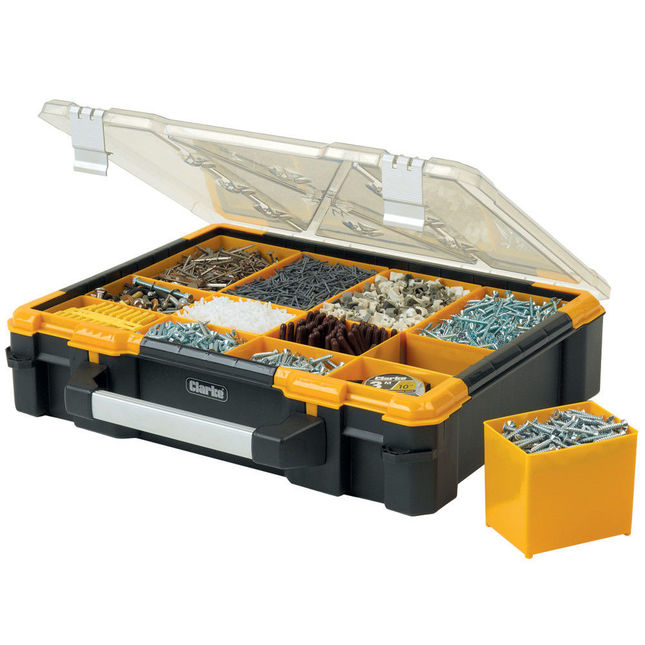
Organiser Cases
Organiser cases are designed for storing smaller components such as screws, nails, washers, electrical terminals, drill bits and other fixings.
Compartmented storage helps keep parts separated and easier to identify, reducing the time spent searching for small components.
For mobile use, choose an organiser with a secure lid and compartment design that helps prevent items moving between sections during transport.
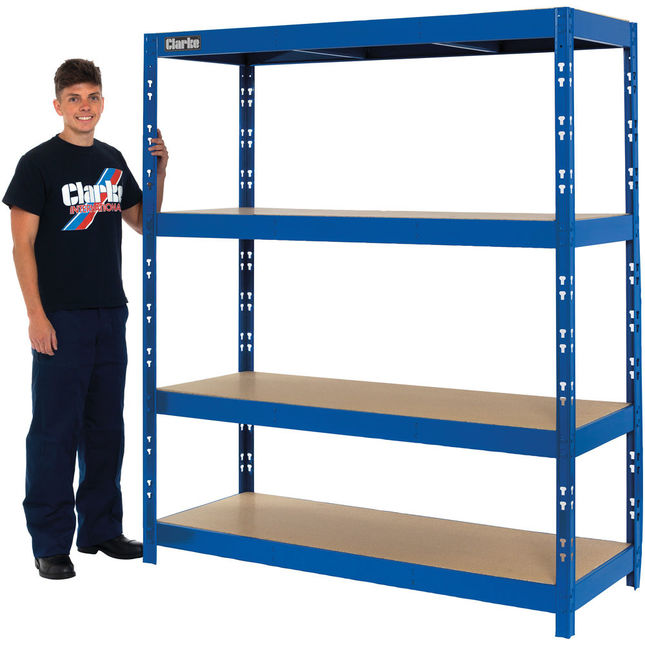
Shelving and Racking
Shelving and racking provide accessible storage for boxes, tools, consumables, spare parts and general workshop equipment.
They are suitable for garages, warehouses, storerooms, workshops, offices and utility areas.
When selecting shelving, consider the available footprint, shelf dimensions, total load capacity and the maximum permitted load per shelf.
Heavy items should normally be stored on lower shelves to improve stability and reduce manual-handling risks.
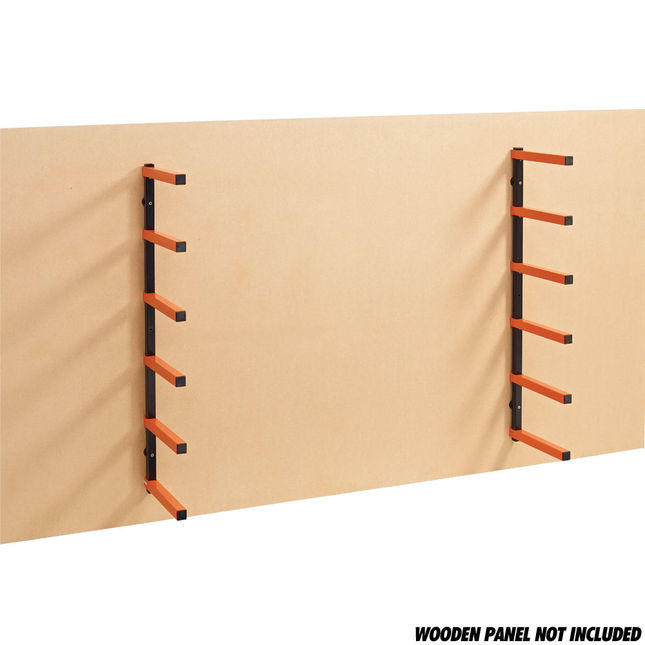
Industrial Racking and Material Storage
Industrial racking is designed for larger or heavier materials used in workshops, warehouses and commercial environments.
Depending on the system, it may be suitable for storing boxed stock, long materials, components, workshop supplies and other industrial items.
Racking must be assembled correctly, positioned on a suitable floor and loaded evenly within its stated capacity.
Where required, storage systems should be secured or anchored in accordance with the product instructions and workplace safety procedures.
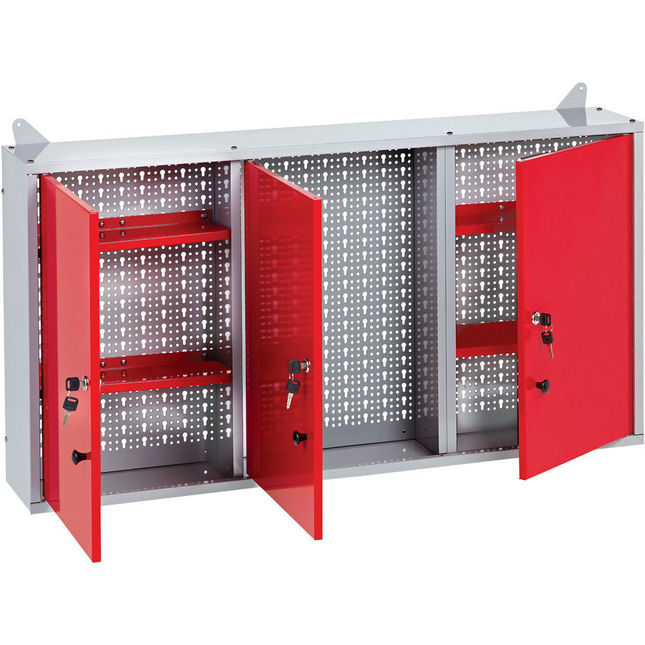
Cupboards and Storage Cabinets
Storage cupboards and cabinets provide enclosed storage for tools, consumables, maintenance equipment and workshop supplies.
They can help protect contents from general workshop dirt and reduce visual clutter within the working area.
Lockable cupboards may provide additional security for valuable equipment or controlled access to particular tools and materials.
Always check whether a cabinet is suitable for the items being stored. General tool cupboards should not be used for hazardous, flammable or controlled substances unless specifically designed and approved for that purpose.
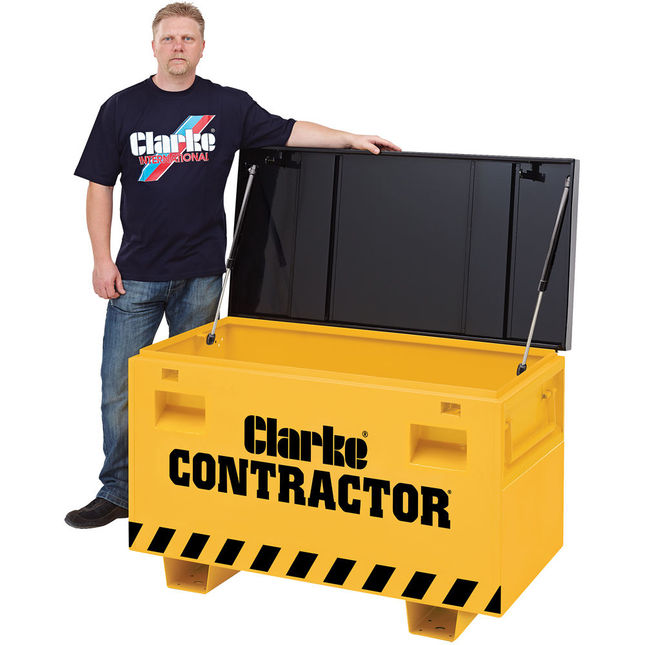
Site and Van Storage
Secure site and van storage helps protect tools and equipment used by builders, contractors, engineers and mobile tradespeople.
Site boxes and van safes are designed to provide robust, lockable storage in demanding working environments.
Before fitting storage inside a vehicle, check the external dimensions, opening clearance, mounting requirements and the effect of the loaded unit on vehicle payload.
Vehicle storage should be secured correctly to prevent movement during travel.
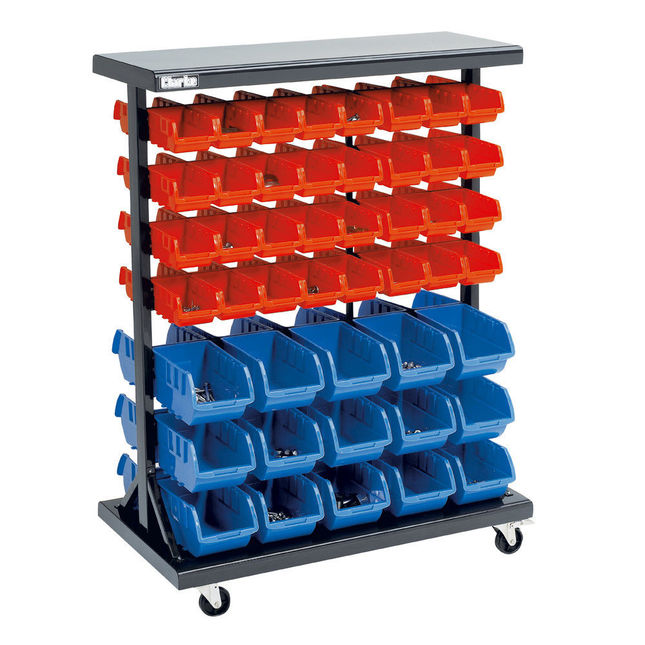
Louvred Panel and Bin Storage Kits
Louvred panels and storage bins provide visible, accessible storage for small parts, components and frequently used workshop items.
They are ideal for fixings, electrical parts, seals, clips, nuts, bolts and other small components that need to be sorted by type or size.
Wall-mounted bin storage can help keep work surfaces clear while making commonly used parts easier to locate.
Tool Racks and Wall Storage
Tool racks help organise spanners, screwdrivers, pliers, sockets and other frequently used hand tools.
Wall-mounted storage makes use of vertical space and keeps tools visible and within easy reach.
Before installing a wall-mounted rack, ensure that the wall and fixings are suitable for the anticipated load.
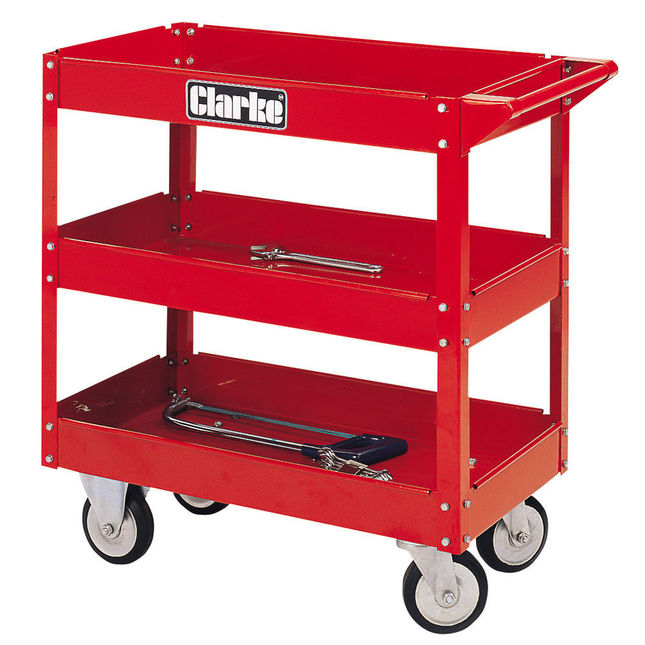
Service Trolleys
Service trolleys provide mobile storage and transport for tools, components and consumables within a garage or workshop.
They are useful for keeping frequently required equipment close to a vehicle, machine or working area.
Options may include open shelves, drawers, lockable cabinets or combined storage layouts.
When moving a loaded trolley, keep drawers and doors closed and take care on slopes, thresholds and uneven flooring.
Typical Tool Storage Applications
- Organising hand tools and socket sets
- Storing power tools and accessories
- Creating a complete garage workshop
- Providing mobile storage for vehicle servicing
- Transporting tools between jobs
- Securing tools inside vans and on construction sites
- Storing fixings and small components
- Organising spare parts and workshop consumables
- Creating warehouse and storeroom shelving
- Storing long or bulky materials
- Improving workshop organisation and efficiency
- Keeping working surfaces clear and accessible
Planning an Organised Workshop
An effective workshop layout should place frequently used tools close to the main working area while keeping heavier or less frequently used equipment safely stored.
Drawer cabinets are useful for hand tools, while cupboards and shelving can accommodate larger equipment, consumables and boxed items. Wall storage can make use of otherwise unused space above workbenches.
Leave sufficient room around cabinets, workbenches and shelving so that doors and drawers can open without obstructing walkways.
Clearly labelled drawers, bins and shelves can make tools easier to locate and return after use.
Tool Storage Safety
- Do not exceed the stated drawer, shelf or cabinet load capacity
- Distribute heavy tools evenly throughout the unit
- Store heavier equipment in lower drawers or on lower shelves
- Open only one heavily loaded drawer at a time where instructed
- Apply wheel brakes before opening drawers or using a mobile cabinet
- Keep cabinet doors and drawers closed when moving equipment
- Secure shelving, racking and wall storage where required
- Use suitable lifting techniques when moving tool boxes or stored items
- Keep walkways, exits and working areas clear
- Follow the assembly and operating instructions supplied with the product
Tool Storage FAQs
What is the difference between a tool chest and a roller cabinet?
A tool chest is normally designed to sit on a bench, cabinet or other suitable surface. A roller cabinet stands on castors and provides mobile drawer storage at floor level. Compatible models can often be combined to create a larger storage system.
What size tool chest do I need?
Consider the number of tools, the size of the largest items and the available workshop space. Allow extra capacity for future purchases rather than selecting a cabinet that is already full when first loaded.
How should I arrange tools in a cabinet?
Frequently used tools should be placed in easily accessible drawers. Heavy tools should generally be stored lower down, while lighter hand tools and accessories can be stored in upper drawers.
Can I store power tools in a tool chest?
Yes, provided the drawer dimensions and load capacity are suitable. Larger power tools may require deeper drawers, cupboards or separate shelving.
What is a modular workshop system?
A modular workshop system combines compatible cabinets, drawers, worktops and wall storage to create a coordinated working area. Individual units can be selected according to the available space and storage requirements.
Are tool cabinets lockable?
Many tool chests, cabinets and cupboards include a locking system. Check the individual product specification to confirm the type of lock and whether all drawers or doors are secured.
What should I look for in garage shelving?
Check the overall dimensions, shelf size, maximum load per shelf and total capacity. Also consider whether the shelving needs to be anchored and whether the shelf material is suitable for the intended environment.
What storage is best for small screws and fixings?
Organiser cases, storage bins and louvred panel systems are suitable for separating and identifying small components. Transparent lids or labelled bins can make frequently used items easier to find.
What is the best storage for a mobile tradesperson?
Portable tool boxes and tool bags are suitable for equipment that needs to be carried by hand. Larger or more valuable tools may benefit from secure site boxes or van storage.
Can I install a tool cabinet inside a van?
Only where the cabinet is suitable for vehicle use and can be securely mounted. Consider the vehicle payload, dimensions, access and the need to prevent movement during travel.
What is a service trolley used for?
A service trolley allows tools, components and consumables to be moved around a garage or workshop. It is useful when working on vehicles or machinery away from the main tool cabinet.
How do I stop a roller cabinet tipping?
Store heavier tools in the lower drawers, open only one heavily loaded drawer at a time and apply the castor brakes before use. Always follow the stability and loading instructions supplied with the cabinet.
Should workshop racking be fixed to the wall or floor?
This depends on the racking design, height, load and installation environment. Follow the manufacturer's assembly instructions and use suitable anchoring where specified.
Can tool storage be used for chemicals or fuel?
General tool cabinets should not be used for flammable, corrosive or hazardous substances unless they are specifically designed and approved for that purpose. Use dedicated safety storage appropriate to the material.
How can I make better use of a small workshop?
Use wall-mounted racks, overhead cupboards, narrow drawer cabinets and shelving to maximise vertical space. A workbench with integrated storage can also reduce the amount of separate furniture required.